
What Is The Difference Between Nylon and Polyester Fabric?
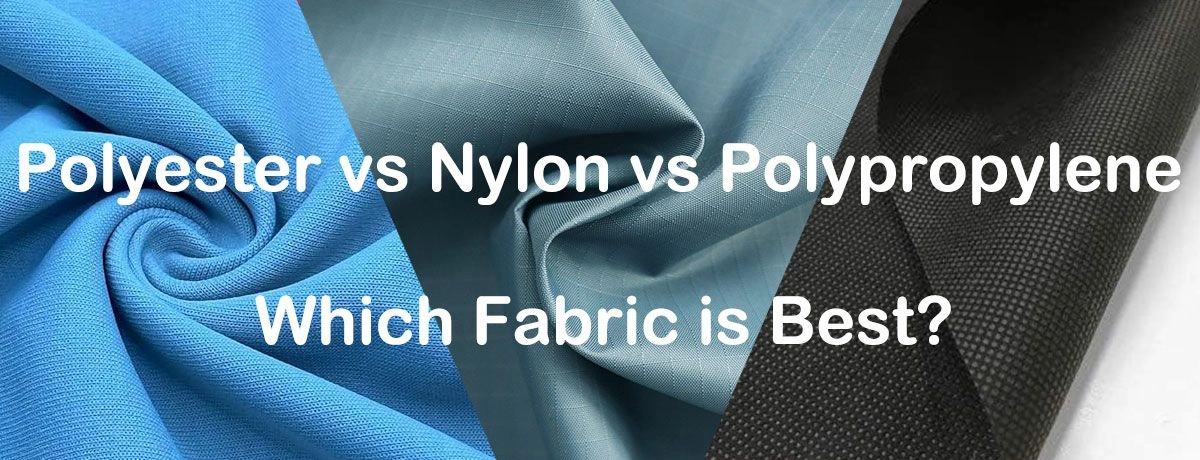
For fabric buyers, wholesalers and garment manufacturers, choosing between polyester and nylon is not only about material performance. The right choice affects product quality, cost, durability, color stability, delivery consistency and customer satisfaction.
Polyester and nylon are all synthetic fabrics, but they perform differently in apparel, bags, uniforms, outdoor products, home textiles and industrial applications. This guide compares their key properties, common uses and sourcing considerations so B2B buyers can make better purchasing decisions.
Quick Answer: Which Fabric Should You Choose?
Choose polyester when you need strong color retention, wrinkle resistance, UV resistance and cost efficiency. It is used in almost every form of clothing and is more widely used in apparel than nylon, as well as for sportswear, uniforms, linings, home textiles, bags and promotional products.
Choose nylon when abrasion resistance, softness, flexibility and higher strength are priorities. It is a good choice for luggage, backpacks, outdoor gear, activewear, hosiery and technical applications.
For many B2B orders, the best choice depends on the final application, target price, required testing standard and expected order volume.
What Are Synthetic Fabrics?
Synthetic fabrics are man-made textiles manufactured from petroleum-based polymer or plastic compounds. These fibers are then woven, knitted or bonded into fabric.
The advantage of synthetic fabrics is control. Manufacturers can adjust strength, weight, texture, color, water resistance, stretch, durability and finishing according to the target use. This makes synthetic fabrics especially valuable for large-scale production, where consistency matters from sample to bulk shipment. Unlike natural fibers, nylon and polyester are non biodegradable; polyester can be recycled, but nylon is not biodegradable and can create pollution problems.
Polyester Fabric
Polyester fabrics were introduced in the 1940s and now account for about 58% of worldwide synthetic fiber production. They are known for stable performance, affordable cost and strong color retention, and B2B buyers often choose durable, wrinkle-resistant 100% polyester Mini Matt fabric for uniforms, tablecloths and other easy-care applications.
The manufacturing process also helps shape how polyester fabric performs in use. Polyester is inherently hydrophobic, which supports water resistant performance, helps it dries quickly after getting wet and can make it feel more waterproof in many applications. It resists shrinking and wrinkling, holds dye well and performs better than nylon under long-term sunlight exposure.
Key Advantages of Polyester
-
Good color fastness and bright dye results; polyester fibers are easily dyed, hold color well, offer solid stain resistance, and are less likely to pill than nylon
-
Better UV resistance than nylon; polyester is uv resistant, performs well in sunlight, and resists UV damage while retaining its shape even when wet
-
Strong wrinkle and shrinkage resistance under heat
-
Cost-effective for bulk production
-
Suitable for woven, knit, coated and printed fabrics
-
Easy to use in apparel, home textile and accessory products; it can also be dyed for activewear and winter clothing because of its moisture wicking performance, though polyester fibers can trap odor-causing bacteria more easily than nylon, so odor-control finishing may be needed
Common B2B Uses
Polyester is widely used for sportswear, uniforms, workwear, linings, chiffon fabric for dresses, shirts, scarves and linings, taffeta, pongee, Oxford fabric, bags, home textiles, curtains, auto upholstery and promotional textile products, where stain resistance supports easy-care use, and it is also a top choice for activewear, winter fleece, ropes, nets and outdoor clothing and gear, whether used on its own or combined with other fabrics for broad B2B applications.
Nylon Fabric
Nylon is a polyamide first created in 1935, and its production comprises 11% of worldwide synthetic fiber production, and valued for strength, softness and abrasion resistance. Compared with polyester, nylon usually feels softer and more flexible. Most nylon is derived from petroleum-based byproducts from oil refineries. It also performs well in products that need repeated movement, rubbing or mechanical stress, such as backpacks and luggage that use bag and luggage accessories including straps, zippers and hardware.
However, nylon can be more expensive than polyester and may have weaker UV resistance unless treated with suitable finishing. It absorbs small amounts of water and can expand up to 3.5%, so it can feel heavier and take longer to dry when wet, though it can still be wind-resistant and shed light rain effectively.
Key Advantages of Nylon
-
Strong abrasion resistance, though in surface-wear tests polyester can be more abrasion resistant, while nylon may last longer under repeated high-friction loads
-
Soft and flexible handfeel
-
Nylon is stronger and stretchier than polyester, giving nylon and polyester different performance trade-offs
-
Suitable for demanding end uses, and both nylon fabrics and blends are common where strength and wear matter
-
Often used where durability and comfort are both required, though nylon can lose tensile strength and fade in UV exposure unless treated
Common B2B Uses
Nylon is commonly used for backpacks, luggage, outdoor gear, activewear, hosiery, straps, garments, technical textiles, belts and automotive or industrial fabric applications, and it is especially well suited to technical outdoor gear and broader industrial uses in demanding environments because it resists most chemicals, as well as products such as climbing ropes, parachutes, seat belts, and conveyor belts. It is also used in tents and various types of clothing, and was first commercialized in products such as toothbrush bristles in 1938, where decorative branding often relies on polyester and viscose rayon embroidery thread.
Polyester vs Nylon vs Polypropylene: Comparison Table
|
Factor |
Polyester |
Nylon |
|
Strength |
Good |
Very good |
|
Abrasion resistance |
Good |
Excellent |
|
UV resistance |
Better |
Weaker unless treated |
|
Water resistance |
Good |
Good, but can absorb moisture |
|
Color retention |
Strong |
Can vary by dyeing process |
|
Handfeel |
Stable, slightly firmer |
Softer and more flexible |
|
Cost |
Usually lower |
Usually higher |
|
Best for |
Apparel, uniforms, home textiles, bags |
Outdoor gear, luggage, activewear |
For buyers who need blended options, TC fabrics such as 65/35 polyester-cotton twill for uniforms and workwear can balance durability, comfort and breathability, and TC 65/35 twill fabric offers additional customization for different end uses.
Why Work With MH as Your Fabric Supplier in China
MH supports global buyers with fabric sourcing for apparel, bags, uniforms, home textiles, outdoor products and industrial applications as part of Ningbo MH’s global garment accessories and tailoring materials business. Through its managed fabric supply network, MH works with 2,000+ audited partner mills and offers access to 10,000+ fabric and material items, covering woven, knit, functional, recycled and home textile fabrics.
For bulk orders, wholesale programs, OEM/ODM projects and custom fabric development, MH helps buyers match materials to real market needs, including polyester and blended fabrics for school uniforms. The team can support specification confirmation, sampling, fabric testing, quality control and order follow-up.
MH’s fabric quality control covers pre-production checks, in-process monitoring, lab testing, final inspection and lot traceability. For buyers who need compliance support, MH also provides documentation and certification support, including standards such as OEKO-TEX, GRS, GOTS and OCS when applicable, and can also coordinate trims like polyester sewing thread or 50/2 100% polyester core spun sewing thread for detailed logos and branding.
If you are comparing polyester or nylon fabric for your next order, send MH your target application, quantity, fabric specification and market requirements. MH can help recommend suitable fabric options and support stable long-term sourcing from China.


FAQ
Is polyester better than nylon?
Of the two fabrics, polyester is better when buyers need lower cost, better UV resistance, strong color retention and easy-care performance. Nylon is better when abrasion resistance, softness and flexibility are more important, with a smooth handfeel and light weight in many apparel applications. Unless the care label specifically says it can be dry cleaned, both fabrics should not be dry cleaned.
Is nylon more durable than polyester?
Nylon usually has stronger abrasion resistance and flexibility, which makes it durable for bags, luggage and outdoor gear, and it can also resist mildew in normal use. It is also relatively heat resistant for many everyday uses. Polyester is also durable, but its main strengths are color stability, wrinkle resistance and UV performance. Both fabrics can usually be machine washed, dried on low heat, and are generally mildew resistant in damp-prone applications when properly dried and stored; they should also be kept away from high heat during ironing. Avoid fabric softener on wicking versions of either fabric.
What is polypropylene fabric used for?
Polypropylene fabric is often used for nonwoven materials, medical textiles, packaging, industrial sacks, ropes and outdoor utility products. It is lightweight, moisture resistant and quick drying.
Which fabric is best for bulk garment production?
Polyester, specifically polyethylene terephthalate, is often the most practical option for bulk garment production because it is cost-effective, easy to dye, wrinkle resistant and suitable for many apparel categories, and it is used across many garments because the yarn can be engineered for different end uses. Nylon can be used when softness, stretch or abrasion resistance is needed.
Final Recommendation
Polyester and nylon each have clear strengths. Polyester is the most versatile and cost-effective choice for many apparel and home textile applications. Nylon, originally developed as a more durable alternative to silk for some applications, is stronger for abrasion-heavy products such as bags and outdoor gear.
For B2B buyers, the best fabric is the one that matches the final product, target market, quality standard and purchasing budget. If you need help selecting or sourcing synthetic fabrics in bulk, contact MH for fabric recommendations, samples and sourcing support, especially since nylon can differ from other materials and blended constructions in sourcing and recyclability decisions.
