
Looking for Sustainable Materials? Why Are Global Brands Turning to Recycled Fabric?

The textile industry faces unprecedented pressure to reduce waste and embrace circular economy principles. As brands commit to sustainability goals and consumers demand environmentally conscious products, recycled fabric has emerged as a critical solution for manufacturers seeking to balance performance with environmental responsibility.
At MH, we understand that navigating the recycled fabric landscape requires technical expertise and practical guidance. This comprehensive guide provides B2B textile buyers with the essential knowledge needed to make informed sourcing decisions, from understanding manufacturing processes to evaluating certification requirements and managing supply chain considerations.
Whether you’re developing sustainable product lines or meeting corporate sustainability commitments, understanding recycled fabric specifications, performance characteristics, and sourcing challenges is crucial for successful procurement strategies.
What is Recycled Fabric?
Recycled fabric refers to textiles manufactured from reprocessed waste materials rather than virgin raw materials like newly extracted petroleum, freshly grown cotton, or newly produced wood pulp. These materials undergo mechanical or chemical processing to create new fibers that can be spun into yarn and woven or knitted into fabric.
The distinction between pre-consumer and post-consumer recycled content is fundamental for buyers to understand:
Pre-consumer recycled content includes manufacturing scraps such as:
-
Spinning waste from yarn production
-
Weaving and knitting waste from fabric mills
-
Cutting scraps from garment factories
-
Off-quality rolls and rejected materials
-
Polymer production scraps
Post-consumer recycled content encompasses used products that have completed their intended lifecycle:
-
Plastic bottles from beverage packaging
-
Discarded garments and household textiles
-
Fishing nets and marine debris
-
Carpets and automotive textiles
-
End-of-life technical textiles
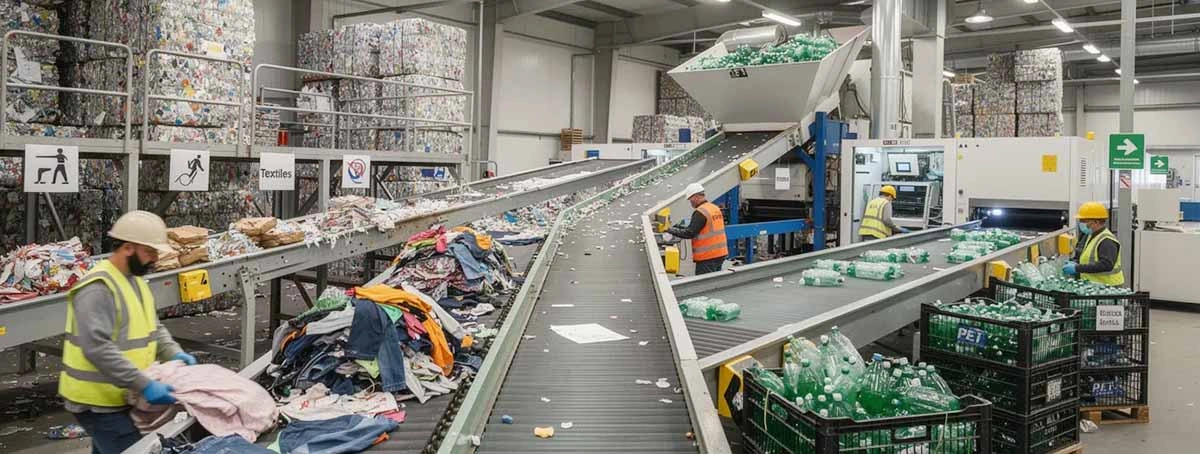
Key source materials driving the recycled fabric market include PET bottles, which provide the largest feedstock for recycled polyester production, and textile waste streams from both manufacturing and consumer disposal. This circular approach helps reduce waste sent to landfills while creating new life for materials that would otherwise contribute to environmental pollution.
The role in circular economy extends beyond simple waste reduction. Recycled fabrics help manufacturers reduce their reliance on virgin raw materials, potentially lowering energy consumption in fiber production and supporting closed-loop manufacturing systems where products are designed for continuous reuse and recycling.
Types of Recycled Fibers and Technical Specifications
Recycled Polyester (rPET)
Recycled polyester dominates the recycled fiber market, primarily produced from PET bottles through melting and re-spinning processes. The transformation begins with collecting and sorting clear PET bottles, which are then cleaned, crushed into flakes, and processed through standard polyester fiber production equipment.
Technical Properties:
-
Tensile strength: 35-45 cN/tex (comparable to virgin polyester)
-
Moisture regain: 0.4-0.8%
-
Melting point: 250-260°C
-
Specific gravity: 1.38-1.40
Typical Applications:
-
Activewear and sportswear fabrics requiring moisture management
-
Outerwear shells and linings for weather resistance
-
Home textiles including bedding, curtains, and upholstery
-
Nonwoven materials for insulation and filtration
Blending Options: Recycled polyester can be used in various concentrations:
-
30% rPET blends for cost-effective sustainability claims
-
50-75% rPET for balanced performance and environmental impact
-
100% rPET for maximum recycled content in suitable applications
Recycled Cotton
Cotton recycling involves the mechanical breakdown of cotton textile waste and garment cuttings. The process inherently reduces fiber length, creating technical challenges that buyers must understand and accommodate.
Key Technical Considerations:
-
Fiber length reduction: Recycled cotton fibers measure 10-15mm compared to virgin cotton’s 25-30mm
-
Strength degradation: Tensile strength typically decreases 15-25% compared to virgin cotton
-
Spinning limitations: Shorter fibers require careful processing and often limit yarn count possibilities
Blending Requirements: Due to performance limitations, recycled cotton typically requires blending:
-
20-30% recycled cotton content is common for maintaining fabric integrity
-
Higher percentages possible in specific constructions like fleece or heavy knits
-
Virgin cotton or synthetic fiber blending helps restore strength and processability

Applications:
-
Denim production with recycled cotton content up to 40%
-
Casual wear including T-shirts, sweatshirts, and knitwear
-
Home textile products where slight performance trade-offs are acceptable
-
Industrial textiles and nonwoven applications
Recycled Nylon
Recycled nylon production utilizes diverse feedstock sources including discarded fishing nets, carpet waste, and textile scraps. Advanced chemical recycling processes like the ECONYL regeneration system can restore virgin-equivalent performance.
Source Materials:
-
Ocean-bound fishing nets and marine debris
-
Post-consumer carpet waste from residential and commercial installations
-
Industrial nylon waste from manufacturing processes
-
End-of-life nylon garments and accessories
Technical Specifications:
-
Tensile strength: Comparable to virgin nylon (45-50 cN/tex for nylon 6)
-
Elasticity recovery: Maintains stretch and recovery properties
-
Dyeability: Similar dye uptake characteristics to virgin nylon
-
Abrasion resistance: Retains excellent wear properties
Applications:
-
Swimwear requiring stretch, chlorine resistance, and UV protection
-
Activewear and performance apparel demanding durability
-
Technical textiles for bags, backpacks, and outdoor gear
-
Hosiery and intimate apparel requiring elasticity and comfort
Recycled Wool
Wool recycling follows mechanical processing similar to cotton, with garments and manufacturing waste shredded back into fibers. The process maintains wool’s inherent properties while creating some performance trade-offs.
Process Characteristics:
-
Color sorting reduces need for re-dyeing and chemical processing
-
Fiber length reduction affects yarn quality and fabric hand
-
Blending with virgin wool or synthetic fibers improves performance
-
Traditional “shoddy” production methods adapted for modern applications
Quality Considerations:
-
Recycled wool typically has a coarser hand feel than virgin wool
-
Reduced fiber length limits fine-count yarn production
-
Color consistency depends on effective sorting and blending
-
Durability may be slightly compromised in high-stress applications
Applications:
-
Outerwear including coats, jackets, and blankets
-
Industrial textiles and felts
-
Insulation materials for construction and automotive uses
-
Traditional woolen fabrics where slight quality variations are acceptable
Performance Characteristics and Quality Considerations
Understanding performance differences between recycled and virgin fabrics is crucial for making appropriate product specification decisions. While recycled materials can meet most textile requirements, specific characteristics vary by fiber type and recycling process.
Tensile Strength Comparison
Recycled fibers typically demonstrate 10-20% lower tensile strength compared to virgin equivalents, though this varies significantly by material and process:
|
Fiber Type |
Virgin Strength (cN/tex) |
Recycled Strength (cN/tex) |
Strength Retention |
|---|---|---|---|
|
Polyester |
45-50 |
35-45 |
75-90% |
|
Cotton |
25-30 |
20-25 |
80-85% |
|
Nylon 6 |
45-50 |
40-48 |
85-95% |
|
Wool |
12-16 |
10-14 |
75-85% |
Chemical recycling processes generally achieve higher strength retention than mechanical recycling, particularly for synthetic fibers where molecular structure can be restored.
Colorfastness and Dye Performance
Recycled materials may exhibit variations in dye uptake and colorfastness:
-
rPET: Accepts disperse dyes similarly to virgin polyester, though starting flake color can influence brightness
-
Recycled cotton: May show slightly different dye uptake due to fiber damage and previous treatments
-
Recycled nylon: Chemical recycling maintains consistent dye performance
-
Recycled wool: Color-sorted processing can eliminate re-dyeing needs
Colorfastness ratings typically meet standard requirements:
-
Washing fastness: Grade 4-5 achievable with proper dyeing
-
Light fastness: Comparable to virgin materials when processed correctly
-
Rubbing fastness: May be slightly reduced in mechanically recycled cotton
Shrinkage and Dimensional Stability
Dimensional stability depends more on fabric construction and finishing than on recycled content:
-
Synthetic recycled fibers show similar thermal behavior to virgin materials
-
Cotton shrinkage primarily relates to yarn twist and fabric structure
-
Proper heat setting and finishing processes maintain dimensional stability
-
Some mechanical recycled fibers may exhibit slightly higher shrinkage potential
Moisture Management and Comfort Properties
Recycled fibers maintain fundamental moisture characteristics:
-
Moisture regain remains fiber-specific (polyester ~0.4%, cotton ~8.5%)
-
Wicking performance can be engineered through fiber cross-section design
-
Breathability depends on fabric construction rather than recycled content
-
Hand feel may vary slightly in mechanically recycled natural fibers
Pilling Resistance and Durability
Pilling behavior relates primarily to fiber length and fabric construction:
-
Shorter recycled fibers (cotton, wool) may increase pilling tendency
-
Proper yarn engineering and fabric finishing can mitigate pilling issues
-
Synthetic recycled fibers show comparable pilling resistance to virgin materials
-
Blending strategies help balance performance with recycled content goals
Applications by Market Segment
Apparel Applications
Recycled fabric applications in apparel continue expanding as performance characteristics improve and sustainability becomes a key differentiator.
Activewear and Performance Wear Recycled polyester dominates this segment due to moisture-wicking capabilities and durability:
-
Moisture-wicking t-shirts and tank tops using rPET with engineered cross-sections
-
Athletic shorts and leggings blending rPET with elastane for stretch recovery
-
Performance outerwear shells utilizing recycled nylon for abrasion resistance
-
Sports bras and compression garments leveraging recycled nylon’s elasticity
Denim and Casual Wear Recycled cotton finds significant use in casual apparel with careful blend management:
-
Jeans incorporating 20-40% recycled cotton with virgin cotton and elastane
-
Casual shirts and chinos using recycled cotton blends for cost-effective sustainability
-
Sweatshirts and hoodies maximizing recycled cotton content in knit constructions
-
Jackets and outerwear combining recycled wool with synthetic insulation
Fashion and Formal Wear Higher-end applications require careful specification to maintain quality expectations:
-
Dress shirts using recycled polyester blends for wrinkle resistance
-
Suits and blazers incorporating recycled wool with virgin fiber reinforcement
-
Evening wear utilizing recycled nylon for drape and luster
-
Accessories including ties, scarves, and belts using various recycled fibers
Home Textile Applications
Home textiles offer excellent opportunities for recycled fabric use due to longer replacement cycles and consumer acceptance of slight performance variations.
Bedding Products
-
Sheet sets utilizing recycled polyester microfiber for softness and durability
-
Duvet covers and pillowcases blending recycled cotton with virgin fibers
-
Comforter and pillow fills using recycled polyester staple fibers
-
Mattress covers incorporating recycled materials for sustainability positioning
Upholstery and Furniture Fabrics
-
Heavy-duty furniture fabrics using recycled polyester for high-traffic applications
-
Decorative upholstery combining recycled wool with synthetic reinforcement
-
Automotive seat covers utilizing recycled nylon for abrasion resistance
-
Commercial upholstery meeting fire retardancy requirements with recycled content
Window Treatments and Decorative Textiles
-
Curtains and drapery panels using recycled polyester for dimensional stability
-
Sheer fabrics incorporating recycled nylon for drape and light transmission
-
Decorative pillows and throws maximizing recycled fiber content
-
Area rugs utilizing recycled nylon from fishing nets and carpet waste

Bath and Kitchen Textiles
-
Towels incorporating recycled cotton for absorbency with virgin fiber reinforcement
-
Kitchen textiles using recycled polyester for stain resistance and easy care
-
Bath mats and shower curtains utilizing recycled materials for moisture resistance
-
Cleaning cloths maximizing recycled polyester microfiber content
Certification and Traceability Requirements
Robust certification and traceability systems are essential for credible recycled fabric claims. Understanding key standards helps buyers navigate compliance requirements and avoid greenwashing risks.
Global Recycled Standard (GRS) 4.0
GRS represents the most comprehensive certification for recycled content verification:
Minimum Requirements:
-
20% minimum recycled content for certification eligibility
-
50% minimum for products carrying the GRS logo
-
Chain of custody tracking through all processing stages
-
Environmental management criteria for certified facilities
Key Components:
-
Material traceability from waste source through final product
-
Social responsibility requirements including labor practices
-
Chemical restrictions aligned with industry best practices
-
Environmental criteria covering water treatment, energy use, and chemical management
Documentation Requirements:
-
Transaction certificates (TCs) linking each supply chain step
-
Batch-level tracking connecting recycled input to finished goods
-
Annual inspections and compliance audits
-
Detailed record-keeping for waste sources and processing
Recycled Claim Standard (RCS)
RCS provides focused verification for lower recycled content levels:
Scope and Application:
-
5% minimum recycled content for certification
-
Chain of custody verification without environmental/social requirements
-
Simplified documentation for basic recycled content claims
-
Cost-effective option for initial sustainability programs
Traceability Mechanisms:
-
Transaction certificate system ensuring material flow documentation
-
Batch tracking from recycled raw material through fabric production
-
Third-party verification of recycled content percentages
-
Regular audits maintaining certification validity
OEKO-TEX MADE IN GREEN
This certification combines recycled content verification with social and environmental standards:
-
Chemical safety testing using STANDARD 100 criteria
-
Social workplace standards verification
-
Environmental facility assessment
-
Product-level traceability and transparency
Cradle to Cradle Certification
Advanced certification focusing on circular design principles:
-
Material health assessment for recycled and virgin components
-
Renewable energy use in manufacturing
-
Water stewardship practices
-
Social fairness criteria
-
Design for recyclability evaluation
Bulk Buyer Sourcing Considerations
Successful recycled fabric procurement requires understanding unique supply chain characteristics and planning considerations that differ from virgin material sourcing.
Minimum Order Quantities and Lead Times
Recycled fabric orders typically require higher minimums and longer lead times:
Typical MOQs:
-
Recycled polyester fabrics: 1,000-3,000 meters per colorway
-
Recycled cotton blends: 1,500-5,000 meters due to spinning requirements
-
Recycled nylon specialties: 2,000-8,000 meters for chemical recycled grades
-
Custom blend developments: 5,000+ meters for new recycled content specifications
By implementing comprehensive supply chain and procurement strategies, buyers can successfully navigate the recycled fabric market while achieving sustainability goals and maintaining product quality standards. These considerations help establish sustainable partnerships and ensure reliable access to quality recycled materials for long-term business success.
Working with experienced partners like MH, who understand both the technical requirements and supply chain complexities of recycled fabrics, provides buyers with the expertise and support needed to develop successful sustainable textile programs. Our commitment to transparency, quality, and innovation helps brands achieve their sustainability goals while maintaining the performance standards their customers expect.


For detailed technical specifications, certification guidance, or assistance developing your recycled fabric sourcing strategy, contact our team of textile experts who can help you navigate the complexities of sustainable material procurement.
