
How Does Sewing Thread Inspection Ensure Stable Quality from Yarn to Finished Product?
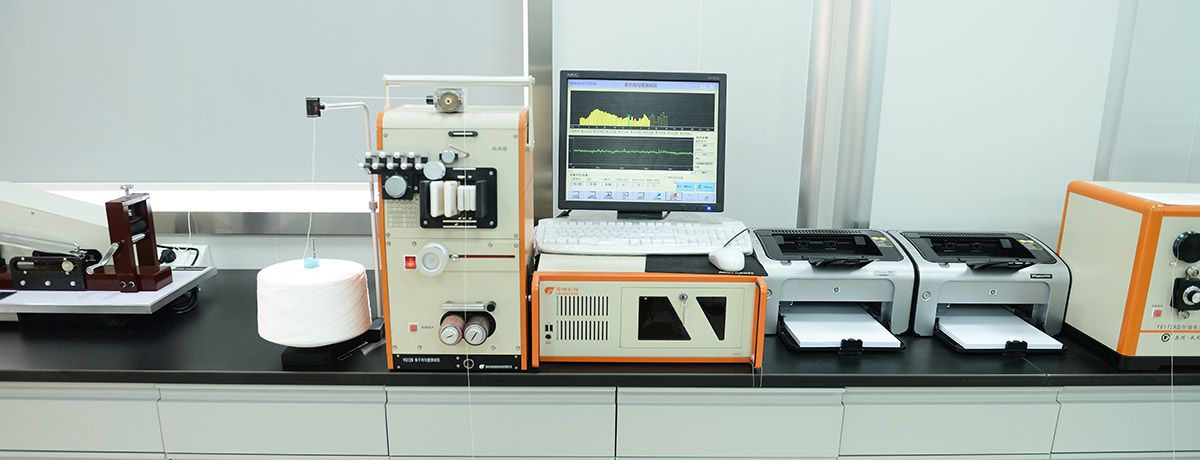
In the textile industry, sewing thread is a small component with a huge impact. From apparel production to industrial sewing, poor thread quality can lead to broken seams, production line delays, customer dissatisfaction, and even rejected finished products. This highlights the importance of sewing thread inspection in preventing these issues and ensuring the overall quality and performance of the end product.
That is why sewing thread inspection is not just a technical step — it is a key part of quality assurance and long-term customer satisfaction. Meeting required standards is essential for ensuring the quality, durability, and appearance of the end product.
At MH, sewing thread inspection is integrated into every stage of textile production, ensuring stable performance, uniform color, and reliable seam strength for customers worldwide.
Why Sewing Thread Inspection Matters in Apparel Production
In modern apparel industry and textile industry, production speed is high and tolerance for defects is low. Even minor issues in sewing thread can cause:
-
Frequent thread breakage on sewing machines
-
Poor seam appearance and uneven seam assembly
-
Low seam strength and reduced durability of seamed fabric
-
Complaints, rework, and customer dissatisfaction
Proper sewing thread inspection helps manufacturers ensure product quality before problems appear in the final product, as inspection is used to determine whether threads meet the necessary quality criteria.
1. Visual Inspection: The First Step in Sewing Thread Inspection
Visual inspection is the most basic yet essential part of sewing thread inspection. Visual checks help identify surface defects such as uneven thickness, knots, or color inconsistencies. This step ensures that only threads meeting quality standards proceed further in the process. Visual inspection is also crucial before packaging to ensure only defect-free threads are shipped.
Uniform Appearance and Thread Count Control
MH controls thread count and yarn consistency at the raw material stage to ensure:
-
Even thickness along the entire length
-
Thread count and thickness are carefully measured to ensure consistency
-
No visible knots, slubs, or defects
-
Stable performance during sewing process
Uniform threads contribute directly to smooth seam assembly and consistent seam appearance.
Uniform Color and Color Fastness
Color issues often affect finished product quality. MH performs strict fabric inspection and thread color checks to ensure:
-
Uniform color across batches
-
Stable color fastness
-
No color transfer during sewing or finishing processes
Color fastness and uniformity are influenced by the chemical properties of the sewing thread, which determine resistance to washing, dry cleaning, water migration, and UV exposure.
This helps avoid visible seam defects in the final product.
2. Tensile Strength Testing: Ensuring Seam Strength
Thread strength is critical for seam durability and product quality. Accurate testing of sewing thread strength relies on specialized equipment, such as tensile testing machines and other precision tools, to ensure reliable quality assessment.
Tensile Strength Testing and Breaking Strength
MH conducts regular tensile strength testing using professional tensile testing machines, measuring:
-
Breaking strength
-
Knot strength
-
Strength consistency across production lines
Stable tensile strength ensures seams remain intact during garment use, washing, and abrasion.
Strength Test Matching Application Needs
Different sewing processes require different strength levels. MH adjusts thread specifications to match:
-
High-speed sewing machines (running performance is evaluated to ensure threads perform reliably and smoothly at high speeds)
-
Heavy-duty apparel production
-
Fine garments requiring clean seam appearance
This targeted approach ensures optimal seam strength without over-stiffness.
3. Twist, Friction, and Abrasion Resistance
Twist Control for Sewing Stability
Proper twist directly affects sewing performance. MH controls twist direction and level to:
-
Reduce hairiness
-
Improve abrasion resistance
-
Enhance needle eye pass-through
Correct twist improves performance on industrial sewing machines and reduces needle-related issues.
Abrasion Resistance for Long-Lasting Seams
Threads undergo abrasion resistance checks to ensure seams withstand repeated wear and washing, protecting the quality of the finished product.
4. Shrinkage Testing and Dimensional Stability
Thread shrinkage can affect seam appearance and garment shape after washing.
MH performs sewing thread shrinkage testing and evaluates dimensional stability to ensure:
-
Minimal sewing thread shrinkage
-
Stable seam appearance after finishing processes
-
Compatibility with fabric shrinkage behavior
Shrinkage testing includes exposing threads to boiling water to assess their shrinkage properties, ensuring they maintain performance after laundry or washing processes.
This helps maintain garment shape and appearance throughout its lifecycle.
5. Knot, Entanglement, and Production Line Performance
Knot Strength and Unwinding Tests
MH tests knot strength and conducts unwinding inspections to ensure:
-
Smooth thread release
-
Minimal entanglement
-
Reduced machine stoppages on the production line
Stable unwinding improves sewing efficiency and reduces downtime.
6. Quality Control from Raw Material to Finished Product
MH applies strict quality control throughout the entire sewing thread production cycle:
-
Raw material inspection
-
In-process inspection during textile production
-
Final inspection before shipment
Each batch is evaluated to ensure it meets MH standards for product quality, seam strength, and sewing performance.
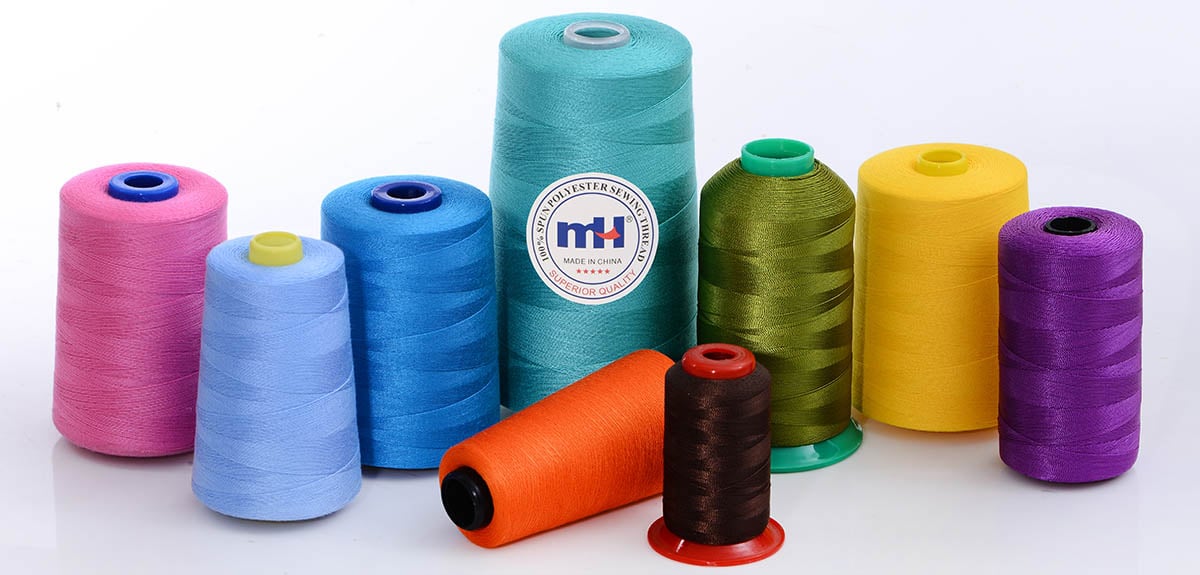
How Sewing Thread Inspection Improves Customer Satisfaction
By implementing systematic sewing thread inspection, MH helps customers:
-
Reduce production delays
-
Improve seam appearance and durability
-
Lower rejection rates
-
Ensure consistent quality in the finished product
This commitment to quality helps build long-term partnerships and ensures customer satisfaction across global markets.
Why Choose MH Sewing Threads
With decades of experience in the textile industry, MH combines:
-
Advanced tensile testing machines
-
Strict quality assurance systems
-
Stable large-scale textile production
-
Consistent batch quality for global apparel production
-
Precise thread construction to ensure durability, appearance, and optimal performance
From sewing thread inspection to final delivery, MH focuses on delivering reliable, high-performance sewing threads that support efficient production and superior finished products.


Conclusion
Sewing thread inspection is not optional — it is essential for ensuring seam strength, production efficiency, and final product quality. By choosing MH, customers benefit from a supplier that integrates inspection, testing, and quality control into every stage of sewing thread manufacturing. Thorough sewing thread inspection guarantees high-quality stitching in the final product, contributing to seam durability and overall garment excellence.
MH sewing threads help ensure quality — from the needle eye to the finished product.
