
What Sewing Thread Quality Factors Should Buyers Consider Before Bulk Purchasing?
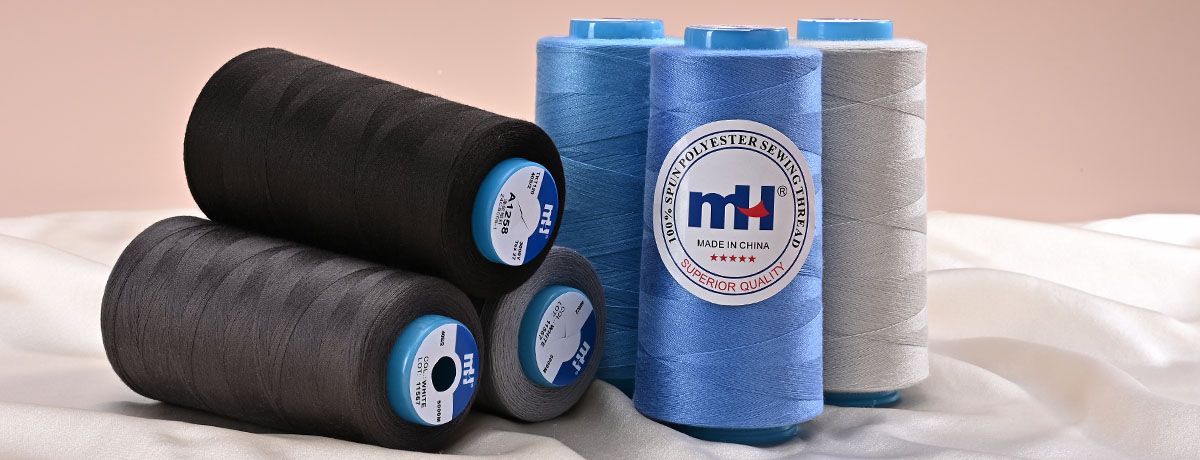
In modern garment manufacturing, choosing the right sewing thread directly influences seam durability, sewing performance, and the final product quality. While fabrics often receive the most attention, the thread is the element that holds the entire garment together. Understanding the major sewing thread quality factors—including tensile strength, elongation, uniformity, resistance to abrasion, color fastness, as well as good colour fastness and good abrasion resistance—helps manufacturers avoid common problems such as thread breaks, skipped stitches, seam puckering, or inconsistent stitch formation. Thread performance and thread selection are critical for ensuring seam durability and product longevity.
This article explores the essential thread properties and how they impact real-world sewing processes, especially in high speed sewing environments commonly used in today’s factories.
Tensile Strength: The Foundation of Strong, Dependable Seams
Tensile strength refers to the maximum pulling force a thread can withstand before breaking. Strong thread ensures smooth operation during the sewing process, especially when sewing thick fabrics or long seams. In addition to tensile strength, loop strength is another important measure—this indicates the load a loop of the same thread can withstand before breaking, which is crucial for seam security and durability. Elongation is measured as a percentage of the thread's original length, reflecting its ability to stretch and recover after being pulled.
A high-strength thread significantly reduces:
-
Thread breaks
-
Skipped stitches
-
Machine downtime
-
Defective seams caused by improper thread tension
Different thread types vary in strength. For example:
-
Polyester thread: strong, stable, and suitable for most applications
-
Nylon thread: excellent elasticity and strength for leather or outdoor gear
-
Corespun thread: combines a polyester filament core with cotton or polyester fibers for superior sewing performance
Choosing a thread with proper tensile strength ensures that seams remain durable under stress, washing, and wear.
Elongation: Balancing Stretch and Stability
Elongation is the amount a thread can stretch before it breaks. In high speed sewing, the thread experiences rapid tension fluctuations. A thread with moderate elongation can absorb these changes without snapping.
Proper elongation helps maintain:
-
Correct stitch formation
-
Consistent seam appearance
-
Reduced heat buildup from needle friction
This ensures that seams remain durable under stress, washing, and wear, helping the sewn product maintain its integrity throughout its normal life.
Synthetic fibers—such as polyester and nylon—generally provide better elongation than cotton, making them ideal for optimum stitch length and high-speed production lines.
Uniformity: A Key Indicator of Good Thread Construction
Uniformity refers to consistent thread diameter, twist, and density along the thread length. This is directly related to thread construction and manufacturing precision. Key aspects such as twist construction, twist direction (Z or S twist), and linear density significantly influence thread uniformity and performance.
A uniform thread reduces:
-
Tension imbalance
-
Needle deflection
-
Thread breaks
-
Skipped stitches
Both spun threads and smooth multifilament thread must maintain stable evenness to ensure high-quality sewing. Ply thread is made by twisting multiple threads together, and corded thread is formed by further twisting ply threads, combining multiple threads in these constructions to achieve the desired durability and performance.
Threads such as textured filament thread and filament threads are engineered to be uniform for applications that require soft seams, stretch, or decorative stitches.
Resistance to Abrasion: Protecting Seams Under Stress
Abrasion resistance is one of the most crucial sewing thread quality factors, especially for garments exposed to friction or heavy use. A thread with high resistance to abrasion will maintain seam integrity even when rubbing against fabric, metal components, or during washing.
Abrasion resistance is vital for:
-
Jeans and denim
-
Workwear and uniforms
-
Upholstery
-
Outdoor sportswear
-
Leather goods
-
Heavy fabrics
Polyester thread excels in abrasion resistance, making it one of the most versatile materials for both light and heavy-duty applications.
Threads with good abrasion resistance are also designed to withstand needle heat generated during high-speed sewing.
Color Fastness: The Key to Long-Lasting Appearance
Color fastness ensures that the thread maintains its original color throughout the garment’s lifetime. Poor-quality threads may fade, bleed, or discolor under washing, sunlight, or perspiration.
Several types of color fastness matter:
-
Washing fastness
-
Light fastness
-
Rubbing fastness
-
Perspiration fastness
For best results, many manufacturers choose dyed polyester thread, which provides superior color stability.
Understanding Different Thread Types and Their Performance
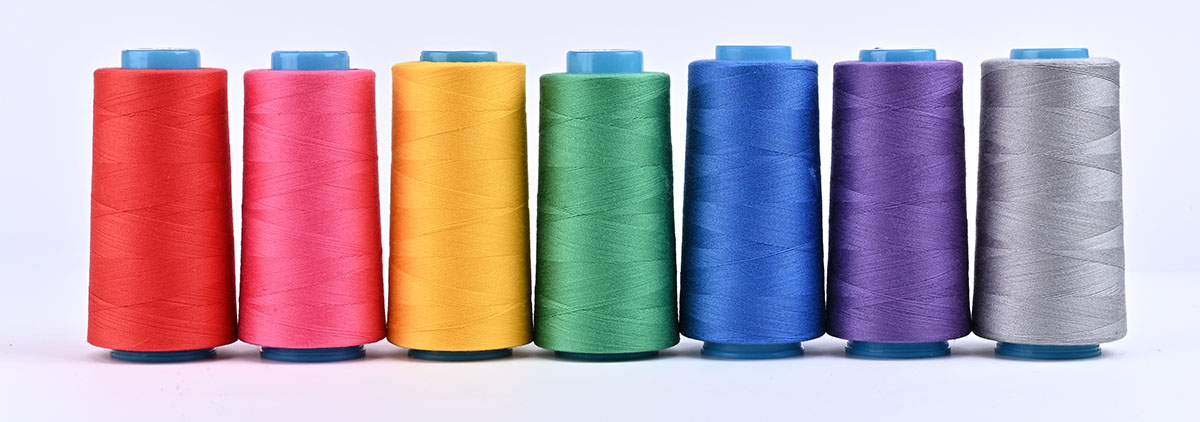
Choosing the correct thread type is as important as choosing thread quality. Thread selection depends on the intended sewn product, seam design, and cost effectiveness, as balancing economic considerations with seam strength and performance is crucial for optimal results. Each type offers unique benefits: all purpose thread is a versatile option suitable for a wide range of fabrics and projects, while embroidery thread is designed for decorative applications requiring high surface smoothness and color vibrancy. Synthetic materials such as polyester and nylon are commonly used for their strength and durability, whereas natural fibers and natural fibres like cotton and rayon provide eco-friendly, biodegradable alternatives. Some threads, such as rayon, are derived from wood pulp, contributing to their unique properties. Continuous filaments are used to produce strong, uniform threads for demanding applications. Additionally, stitch type, stitch density, and the use of thicker threads are important considerations for achieving the desired seam strength, elasticity, and appearance in the final sewn product.
Spun Threads
Made from staple fibers; suitable for general sewing but less strong than continuous-filament threads.
Filament Threads
Made from continuous fibers; offer excellent strength and uniformity.
Textured Filament Thread
Soft, bulky, and stretchable—ideal for sportswear and seam covering.
Corespun Thread
A high-performance thread combining strength, uniformity, and superior sewing performance; excellent for high speed sewing.
Cotton Thread
Good for natural-fiber garments but lower in strength and elongation compared to synthetic fibers.
Selecting the right thread prevents common issues like skipped stitches, thread breakages, or producing inferior quality products.
Factors That Influence Sewing Performance
Beyond basic thread properties, several other factors affect overall sewing performance:
-
Thread tension and machine calibration
-
Thread weight and compatibility with fabric
-
Needle size and needle plate alignment
-
Proper thread lubrication
-
Matching thread type to sewing machines and sewing process
A well-matched thread ensures smooth operation and optimum seam quality.
MH Sewing Threads: Engineered for Quality, Strength, and Productivity
As one of the world’s leading manufacturers of garment accessories, MH has over 20 years of experience producing high-performance sewing threads, and is committed to providing good quality thread for all applications. Our product lines cover polyester thread, corespun thread, cotton thread, textured filament thread, bobbin thread, and specialized industrial threads.
To meet diverse and specialized performance requirements, MH offers a range of thread finishes including fire retardant, anti wick, water repellent, and anti-fungal treatments. These finishes enhance properties such as water resistance, moisture management, and safety for specific garment applications.
MH sewing threads deliver exceptional results across all major sewing thread quality factors:
✔ High Tensile Strength
Ensures reliable seams and minimizes thread breaks, even under demanding production conditions.
✔ Controlled Elongation
Perfect for high speed sewing without causing skipped stitches or uneven seams.
✔ Superior Uniformity
Advanced spinning and winding technology guarantee smooth feeding and stable sewing performance.
✔ Excellent Abrasion Resistance
Ideal for denim, workwear, outdoor gear, and heavy materials.
✔ Outstanding Color Fastness
Over 600 stocked colors with eco-friendly dyeing ensure long-lasting appearance and color consistency.
✔ Wide Range of Thread Types
For all-purpose sewing, fashion apparel, sportswear, bedding, leather goods, and industrial applications.
With strong production capacity, competitive wholesale pricing, and global distribution, MH is the trusted choice for brands and manufacturers across 150+ countries.


Conclusion
By understanding key sewing thread quality factors—tensile strength, elongation, uniformity, abrasion resistance, and color fastness—manufacturers can choose the most suitable thread for every fabric and every sewing machine. The right thread reduces defects, improves sewing performance, and ensures durable, visually appealing seams.
MH continues to invest in modern production and strict quality control, ensuring every cone of sewing thread supports your business with reliable performance, consistent color, and superior value.
If you are looking for strong, high-quality sewing threads supported by professional service, MH is ready to supply the right solution for your next production season.
