
Why Do Garment Factories Use Stretch Thread for Sewing Knit and Elastic Fabrics?

Modern garment manufacturing faces a critical challenge when sewing stretch fabric: regular thread simply cannot keep pace with elastic materials. As the fashion industry continues its dramatic shift toward activewear, athleisure, and comfort-focused clothing, manufacturers need specialized stretch thread for sewing that maintains seam integrity while preserving fabric elasticity. The difference between success and costly production failures often lies in selecting the right thread technology for your specific application.
Stretch thread is a relatively new addition to home sewing, and its worth lies in how it addresses the unique challenges of sewing stretch fabric. Choosing the right stretch thread, such as woolly nylon or Eloflex, can make a significant difference in the quality and durability of seams on elastic materials.
Understanding stretch thread properties, specifications, and industrial applications is essential for any factory producing knits, activewear, or stretch garments. This comprehensive guide examines everything from thread construction to machine settings, helping you make informed decisions that enhance product quality while maintaining efficient production schedules.
What is Stretch Thread for Sewing
Stretch thread represents a specialized category of sewing thread engineered with elastic properties specifically designed for stretch fabrics and knit materials. Unlike regular thread made from cotton or standard polyester, stretch thread maintains its elasticity throughout the garment’s lifecycle, including repeated wear and washing cycles. Stretch thread behaves differently from regular thread, offering greater stretch and recovery, which is especially important when machine stitching knits and stretch fabrics.
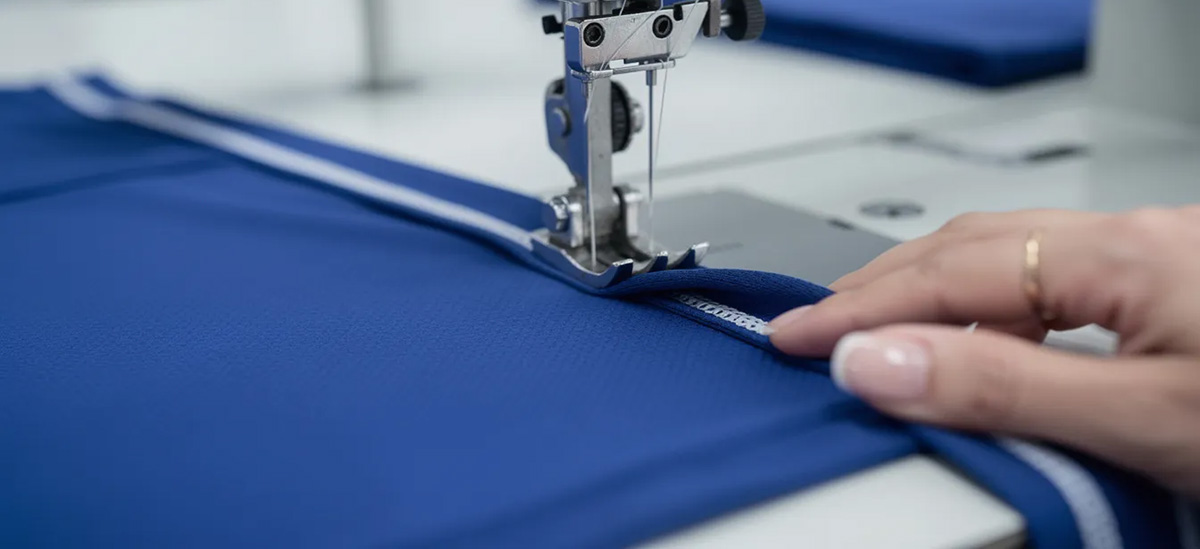
The most common construction involves a spandex or elastane core wrapped with polyester sewing thread or nylon covering yarns. This dual-structure design provides the elastic properties needed for stretch while maintaining the strength and machine compatibility required for high-speed industrial production. The core material typically comprises 3-8% of the thread’s composition, with the wrapping yarns providing durability and consistent thread tension during sewing. The elasticity of stretch thread is consistent across all colors, making it a reliable choice for various sewing projects.
Alternative types include textured polyester (DTY) and woolly nylon (textured nylon) threads, which achieve stretch properties through different manufacturing processes. Textured polyester uses a drawing and texturing process to create crimped fibers that provide moderate stretch, while woolly nylon employs air texturing to create bulk and elasticity in nylon filaments. Stretch thread is similar to wooly nylon thread, but wooly nylon is even more stretchy and is often chosen for projects requiring maximum elasticity.
The primary purpose of stretch thread in industrial applications is maintaining seam integrity when fabrics are stretched, pulled, or compressed during normal wear. The effect of using stretch thread is that it allows you to sew a straight seam without the thread breaking when stretched, which is essential for activewear and other stretch garments. When conventional thread is used on stretch fabrics, the thread becomes the failure point because it cannot accommodate fabric movement, leading to broken seams, puckering, or garment distortion. Stretch thread is especially useful for sewing the course of knit fabrics, ensuring durable and flexible seams.
Industrial applications require stretch thread that performs reliably on high-speed production equipment, typically operating at 3000-4000 stitches per minute. The thread must feed smoothly through tension discs, guides, and needle eyes while maintaining consistent performance throughout long production runs. Proper attention to the bobbin case and needle eye is important to prevent issues like shredding or skipped stitches when using stretch thread. It is recommended to use a stretch or ballpoint needle for best results. Stretch thread is available in a wide range of colors and is often sold in bulk spools, making it suitable for both small and large-scale projects.
Types of Stretch Thread for Industrial Sewing
Spandex-wrapped elastic thread offers the highest stretch capacity among available options, featuring an elastane core wrapped with polyester or cotton covering yarns. This construction provides maximum stretch potential, typically 20-30% elongation, making it ideal for performance activewear and swimwear applications where extreme elasticity is required. Some users prefer spandex-wrapped elastic thread for these applications due to its powerful stretch and reliability.
The wrapping yarn material significantly affects performance characteristics. Polyester-wrapped spandex provides excellent color retention and chemical resistance, making it suitable for swimwear and activewear that may encounter chlorine or harsh detergents. Cotton-wrapped spandex offers superior breathability and natural feel but may have slightly lower chemical resistance. When using elastic thread for techniques like shirring, always wind the bobbin by hand to avoid pre-stretching the thread, as pulling it too tightly can reduce its elasticity and cause problems such as thread snapping or skipped stitches.
Woolly nylon (textured nylon) represents a versatile stretch thread option that combines strength with flexibility. Created through an air-texturing process, woolly nylon features crimped nylon filaments that create bulk and stretch properties while maintaining high tensile strength. Wooly nylon is soft and fills the stitch, making seams comfortable, while elastane threads are fine and provide powerful stretch. This thread type is particularly effective as both a top stitch and bobbin thread, providing consistent results on both sides of the seam. Stretch thread can also create decorative elasticized effects, such as shirring or smocking, when wound in the bobbin.
The fuzzy texture of wooly nylon thread makes it fantastic for overlock seams on knits, as it creates a soft, comfortable feel against the skin. Its ability to stretch and recover makes it an excellent choice for a variety of stretch fabric applications, from casual knits to more demanding activewear projects. However, problems like skipped stitches, thread shredding, or snapping can occur if the tension is too tight or not properly adjusted. Always adjust your machine's tension settings and avoid a tight thread path to prevent these issues. If you notice skipped stitches or thread breakage, try using a slightly longer stitch length for more flexibility and check that the tension is not too tight. Many sewists prefer wooly nylon for knits due to its soft finish and reliable performance.
Textured polyester (DTY) provides moderate stretch properties suitable for general knit sewing applications where extreme elasticity isn’t required. This thread type offers a good balance of stretch, strength, and cost-effectiveness, making it popular for casual wear and lighter stretch fabrics.
The drawing and texturing process used in DTY production creates crimped fibers that provide stretch properties while maintaining the durability and colorfastness associated with polyester threads. This makes textured polyester an ideal choice for garments that require some give but don’t need maximum elasticity.
Core-spun stretch thread combines polyester staple fibers spun around an elastane core, providing moderate stretch with excellent sewing characteristics. This construction offers good machine compatibility and consistent thread tension, making it suitable for high-volume production environments.
When sewing with any stretch thread, always backstitch multiple times or tie thread tails into knots before trimming to secure the ends, as the elasticity can cause seams to unravel if not properly secured.
|
Thread Type |
Stretch Percentage |
Best Applications |
Key Benefits |
|---|---|---|---|
|
Spandex-wrapped |
20-30% |
Activewear, swimwear |
Maximum elasticity |
|
Woolly nylon |
15-25% |
Knits, overlock seams |
Soft feel, versatile |
|
Textured polyester |
10-20% |
Casual knits |
Cost-effective |
|
Core-spun |
15-20% |
General stretch fabrics |
Machine compatibility |
Industrial Applications of Stretch Thread
Activewear & sportswear production demands stretch thread that can withstand intense physical activity and repeated washing while maintaining seam integrity. Performance garments requiring four-way stretch seams benefit from spandex-wrapped elastic thread, which accommodates multi-directional fabric movement without restricting athlete performance. Stretch thread can be used in sewing machines, sergers, and for hand sewing projects, making it versatile for various production needs.
The thread must also resist degradation from sweat, detergents, and frequent washing cycles common in athletic apparel. Quality stretch thread maintains its elasticity and strength even after 50+ commercial wash cycles, ensuring garments retain their fit and performance characteristics throughout their intended lifespan. Remember, stretch thread can be harder to thread through the needle due to its fuzzy texture, so take extra care during setup.
Swimwear production requires specialized stretch thread that can withstand chlorine exposure, saltwater, and UV radiation while maintaining elasticity. Chlorine-resistant threads prevent seam failure and color degradation in pool environments, while UV-stable formulations resist breakdown from sun exposure.
The stretchy nature of swimwear fabrics, often featuring high spandex content for figure-hugging fits, demands thread that can stretch and recover with the fabric. Quality stretch thread prevents seam puckering and maintains the smooth, professional appearance essential for swimwear aesthetics. When setting up your machine, check that the thread is not caught on any bit or guide, as caught thread can lead to snapping or uneven stitches.
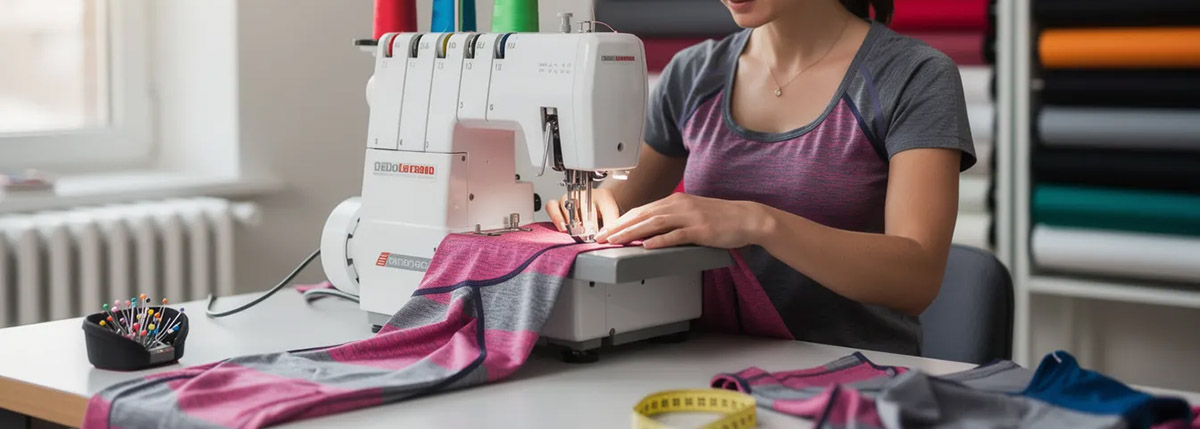
Underwear & lingerie manufacturing requires stretch thread that provides comfort seams with soft stretch characteristics. The thread must be smooth against skin while providing reliable seam strength for garments that experience significant stretching during wear.
Intimate apparel often features delicate fabrics and precise fit requirements, making thread selection critical for both comfort and durability. The right stretch thread prevents seam irritation while maintaining the garment’s intended fit through multiple wear and wash cycles. Remember to stitch slowly and start with your needle in the down position to help prevent tangling, especially when working with stretch thread.
Kidswear manufacturing benefits from stretch thread’s durability, as children’s clothing experiences significant movement and play-based stress. The thread must accommodate the active nature of children while maintaining seam integrity through frequent washing and rough handling.
Parents expect children’s clothing to maintain its appearance and fit despite intensive use, making reliable stretch thread essential for customer satisfaction and brand reputation in the kidswear market.
Stretch knit garments including jersey, interlock, and rib fabrics require thread that complements the fabric’s inherent stretch properties. The thread must work harmoniously with the knit structure, preventing seam failure when the fabric is stretched in its primary stretch direction. When sewing knits, you can use a straight stitch for a clean finish, but a narrow zig zag stitch is often preferred for added flexibility. The usual workarounds for sewing seams with knit fabrics include using a narrow zig-zag stitch or a double needle.
Different knit constructions have varying stretch characteristics, requiring careful thread selection to match elasticity properties. Understanding fabric behavior helps ensure optimal seam performance in the finished garment.
Overlock & coverstitch seams represent specialized sewing techniques that benefit significantly from stretch thread. These industrial techniques create professional finishes while accommodating fabric stretch, making them essential for quality stretch garment production.
The serger overlock stitch creates clean edge finishes that prevent fraying while allowing fabric movement. Coverstitch techniques produce flat, comfortable seams particularly suitable for hemming and topstitching applications where stretch and comfort are priorities.
MH: Your Trusted Stretch Thread Supplier
MH stands as a global B2B manufacturer with over 25 years of experience in stretch thread production, serving garment factories and textile manufacturers worldwide through our wholesale-only supply model. Our commitment to quality and technical innovation has made us a trusted partner for manufacturers requiring reliable stretch thread solutions.
Our comprehensive range includes spandex-wrapped elastic thread, woolly nylon, and textured polyester DTY options, each engineered to meet specific industrial requirements. We understand that modern garment manufacturing demands consistent quality, reliable supply, and technical support - requirements that define our approach to customer service.
Industrial-grade quality control underpins everything we do, with ISO 9001:2015 certification ensuring consistent manufacturing processes and product quality. Our testing laboratories verify thread specifications, performance characteristics, and durability standards before products leave our facilities.
Our distribution network covers 150+ countries with reliable shipping schedules that keep your production lines running smoothly. We maintain strategic inventory locations to ensure quick delivery times and responsive service when you need it most.
The technical support team at MH provides comprehensive sewing guidelines and troubleshooting assistance to help optimize your production processes. Our textile engineers understand the challenges of high-speed industrial sewing and can provide practical solutions for machine setup, tension adjustments, and quality optimization.
We work with all the colors in our standard range, with custom color development available for specific brand requirements. Our color matching services ensure consistent appearance across production runs and multiple order cycles.
The idea behind our wholesale-only model is to provide the best possible service and pricing to manufacturers while maintaining the technical expertise necessary for industrial applications. This focused approach allows us to invest in the equipment, testing capabilities, and staff training necessary to support demanding industrial requirements.


Contact MH for Industrial Stretch Thread Solutions
Take the next step toward optimizing your stretch thread supply by connecting with our technical sales team for immediate quotations and comprehensive support. Our experts understand the complexities of stretch thread selection and can provide specific recommendations for your applications.
Request immediate quotations for bulk stretch thread requirements by providing fabric specifications, production volumes, and quality requirements. Our pricing is transparent and competitive, reflecting our focus on value rather than just lowest price.
Technical consultation services help identify the optimal thread specifications for specific garment applications and machine setups. Our engineers can analyze your requirements and recommend solutions that maximize performance while maintaining cost effectiveness.
Sample development and testing support allows you to evaluate thread performance before committing to large orders. We can provide samples in your specific colors and specifications, along with technical data to support your evaluation process.
Long-term supply partnerships offer volume discounts and priority production scheduling for manufacturers with consistent, predictable demand. These relationships benefit both parties through improved planning and cost optimization.
Our professional sales team combines extensive textile industry expertise with multi-language support to ensure clear communication and understanding of your requirements. We understand that technical accuracy is essential in industrial applications.
Start by reading our product catalogs, technical specifications, and wholesale price lists to understand our capabilities and how they align with your needs. These resources provide detailed information to support your decision-making process.
Find the right stretch thread solution by contacting MH today. Our commitment to quality, technical support, and reliable supply makes us an ideal partner for your stretch thread requirements. Whether you need standard products or custom solutions, we have the expertise and capacity to support your success.
Amazon and other retailers may offer consumer-grade options, but industrial production requires the consistency, technical support, and volume capabilities that only specialized manufacturers like MH can provide. Choose the professional approach for professional results.
