
Why Do Garment Manufacturers Choose Taffeta Lining Fabric as a Reliable Lining Fabric?
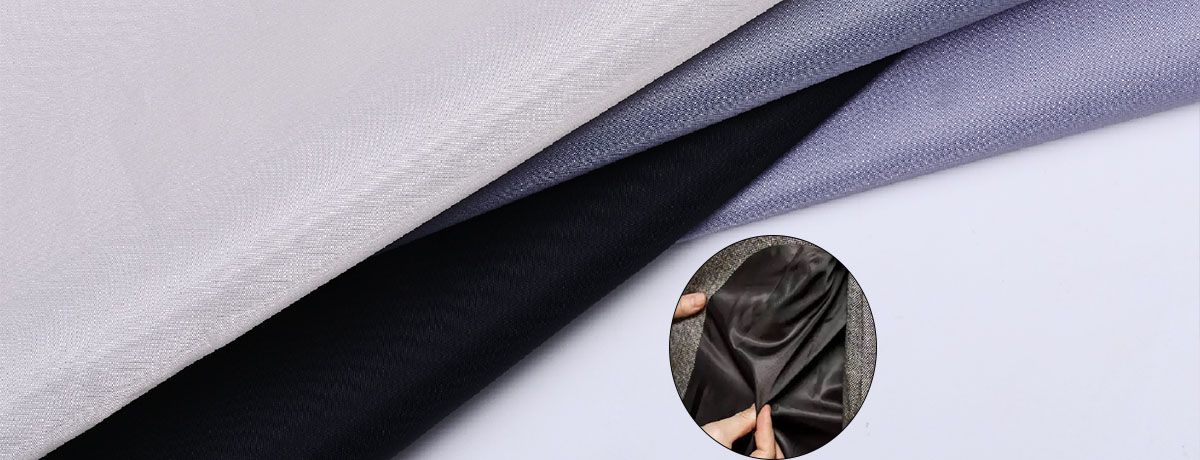
Introduction
Taffeta lining fabric is a widely used plain woven fabric in global garment manufacturing, especially for industrial and bulk-use garment lining. Historically, taffeta fabric has its origins in regions such as the Middle East, Persia, China, and India, highlighting its long-standing global significance. In modern production, polyester taffeta has largely replaced silk taffeta and other delicate fibers, offering a more durable, affordable, and consistent solution for large-scale apparel manufacturing.
This article focuses on taffeta lining fabric made from synthetic fibers, primarily polyester fibers, and its role in non-fashion garment applications such as jackets, coats, uniforms, and everyday clothing. While taffeta fabric is often associated online with wedding dresses, prom dresses, and evening wear, those uses represent a different market segment and are not the focus of industrial lining supply.
What Is Taffeta Lining Fabric?
Taffeta is a plain woven fabric produced by tightly interlacing warp and weft yarns. Historically, taffeta was made from silk, including variants such as shot silk taffeta, antique taffeta, piece dyed taffeta, or piece-dyed silk taffeta. Piece dyed taffeta is a woven fabric that is dyed after production, resulting in a softer texture that is especially valued in luxury and apparel items for its soft, smooth feel. These materials were valued for their shiny fabric appearance and crisp structure, but they are costly, delicate, and unsuitable for mass production.
In industrial garment manufacturing today, taffeta lining fabric is typically produced as:
-
Synthetic taffeta
-
Made from polyester fibers or other synthetic fibers
-
Designed for durability, consistency, and wash resistance
Polyester taffeta lining fabric offers a smooth surface, lightweight feel, and controlled structure without the high cost or maintenance requirements of silk or rayon alternatives.
Polyester Taffeta vs Silk and Other Fibers
From a B2B sourcing perspective, material choice is driven by cost, durability, and production stability. The characteristics of taffeta, such as weight and sheerness, can vary depending on the fiber type and weave tightness.
-
Silk taffeta: Luxurious but delicate, high price, low durability
-
Rayon taffeta: Softer hand feel, but weaker wet strength
-
Wool or paper taffeta: Specialty or decorative use only
-
Polyester taffeta: Affordable, durable, washable, consistent
Polyester fabric performs better under industrial conditions such as repeated washing, cold water laundering, and long-term wear. For this reason, polyester taffeta has become the standard lining material for factories producing garments in large quantities. Modern taffeta is predominantly made from synthetic fibers like polyester, nylon, or acetate to enhance durability and affordability.
Typical Uses of Taffeta as Lining Fabric
Taffeta lining is used as an internal fabric, not as an outer fashion layer. Its primary function is to improve garment performance rather than visual appearance.
Common lining uses include:
-
Jacket linings
-
Coat linings
-
Linings for everyday clothing and functional apparel
In these applications, taffeta lining helps garments:
-
Maintain shape and structure
-
Reduce friction between layers
-
Improve comfort during wear
-
Protect the outer fabric from sweat and abrasion
Suitable Garments and Products
Polyester taffeta lining fabric is suitable for a wide range of non-fashion garments, including:
-
Industrial jackets
-
Uniforms and corporate apparel
-
Functional coats
-
Garments requiring a smooth, slippery lining surface
In the fashion industry, taffeta is a primary choice for evening gowns, wedding dresses, and prom dresses because it allows designers to create voluminous silhouettes and structured, luxurious garments.
While taffeta is sometimes mentioned in relation to skirts, dresses, costumes, or evening wear, these uses typically involve outer fabric aesthetics, not industrial lining performance. For B2B garment producers, taffeta lining is selected for function, not decoration.
Weight, Denier & Fabric Structure
Taffeta lining fabric is available in multiple weight and denier options to meet different production needs.
Typical characteristics include:
-
Lightweight construction for comfort
-
Balanced stiffness and softness (some types, such as antique taffeta, are particularly stiff, which gives them a unique structure)
-
Plain woven structure for stability
-
Common deniers such as 68D or 75D
The crisp yet smooth texture allows the lining to sit cleanly inside garments without pulling, bunching, or distorting the outer shell fabric. Proper handling during sewing is important to avoid unwanted pulls in the fabric.
Advantages for Mass Production
For garment factories and sellers working at scale, polyester taffeta lining offers several clear advantages:
-
Consistent quality across large quantities
-
Stable fabric width and structure
-
Easy cutting and sewing
-
Reduced production waste
-
Predictable cost per yard or per roll
Learn more about the advantages of poly cotton twill fabric.
Because polyester taffeta is produced through a controlled manufacturing process, it supports repeat orders with minimal variation—an essential requirement for industrial apparel programs.
Available Colors & Dyeing Stability
Taffeta lining fabric is available in various colors, including both neutral and darker shades commonly used for linings. Controlled dyeing ensures:
-
Stable color across dye lots
-
Minimal variation between shipments
-
Consistent appearance for uniforms and jackets
Whether buyers require different colors for different projects or long-term supply of the same color, polyester taffeta offers reliable dyeing performance suitable for bulk production.
Durability, Care & Performance
Unlike delicate fabrics used in luxury or home decor applications (such as curtains or table coverings), industrial taffeta lining fabric is designed for durability and daily wear.
Key performance features:
-
Resistant to tearing and pulling
-
Maintains structure after washing
-
Suitable for low heat ironing
-
Performs well in cold water wash cycles
This durability makes taffeta lining appropriate for garments that must withstand repeated use and laundering.
MOQ, Quantity & Packing for Bulk Orders
Taffeta lining fabric is supplied primarily for bulk orders, not retail checkout or shop-based purchasing.
Typical supply conditions include:
-
MOQ suitable for garment factories
-
Export packing for international shipment
-
Reliable shipping schedules
These factors allow wholesalers and manufacturers to plan production efficiently and manage inventory with confidence.
Conclusion
Polyester taffeta lining fabric remains a top choice for industrial garment lining due to its lightweight structure, smooth surface, durability, and cost efficiency. Produced as a plain woven fabric from synthetic fibers, it meets the practical demands of mass production while maintaining consistent quality.
For garment manufacturers, wholesalers, and industrial buyers seeking a reliable lining solution, polyester taffeta offers the ideal balance between performance, affordability, and long-term supply stability.