
How to Source High-Quality Jersey Fabrics in Bulk for Your Production Needs?
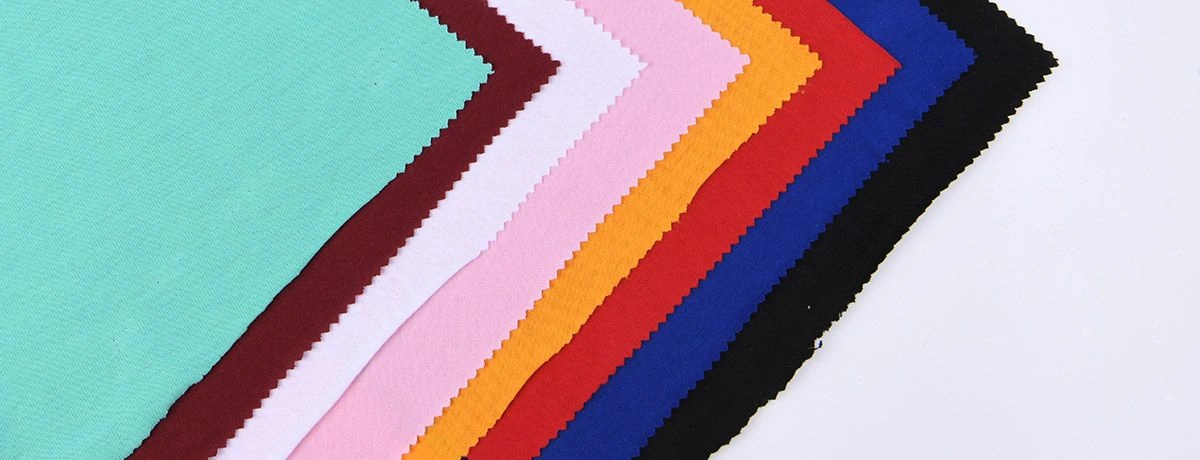
In global textile manufacturing, understanding fabric specifications drives successful procurement and product development decisions. Jersey material stands as one of the most versatile and commercially significant fabric types in the industry, representing billions of meters in annual production across apparel, activewear, and specialized textile applications. Many jersey fabrics exist, each suited to different applications due to their unique characteristics.
Jersey fabric fundamentally differs from woven fabrics through its knit construction, creating unique performance characteristics that make it indispensable for modern garment manufacturing. The origins of jersey material trace back to the Channel Islands during the Middle Ages, where it was traditionally used in fishermen's sweaters. Over time, jersey fabric evolved from utilitarian uses to high fashion, particularly through the influence of Coco Chanel.
This comprehensive guide examines jersey material from a professional manufacturing perspective, providing technical specifications, sourcing considerations, and commercial applications essential for informed procurement decisions.
Jersey Material Definition and Core Characteristics
Jersey material is a single-knit fabric created using plain knit construction, featuring interlocking loops that provide natural stretch and flexibility. This fundamental knit structure gives jersey its close knit structure, resulting in a fabric that feels soft, smooth, and stretchy against the skin. The close-knit structure also enhances the fabric's opacity and drape, distinguishing jersey from woven fabrics and creating a fabric with inherent elasticity and body-conforming properties essential for modern apparel applications.
The defining characteristics of standard jersey fabric include:
-
Single-knit construction: Produced on single needle bed knitting machines, creating the characteristic loop structure
-
Smooth face surface: The technical face displays a smooth, uniform appearance ideal for printing and finishing
-
Textured reverse side: Featuring horizontal ribs that provide tactile interest and enhanced breathability
-
Natural stretch properties: Typically 20-40% stretch in the crosswise direction without elastane content
-
Weight range flexibility: Available in weights from 120-300 grams per square meter (gsm) for various commercial applications
-
Breathable fabric: The knit structure allows airflow, making jersey comfortable for T-shirts, summer dresses, and activewear
Jersey knit fabric demonstrates excellent drapeability, allowing garments to conform naturally to body contours while maintaining structure and shape retention. The knitting process and knitting technique used in jersey production play a crucial role in determining the flexibility, softness, and durability of the fabric. This balance of flexibility and stability makes jersey an optimal choice for everything from basic t shirts to sophisticated fashion applications.
The inherent stretch of jersey fabric results from the knit structure itself, where interlocking loops can extend and recover without fabric damage. As a type of knit, jersey's stretch and performance can vary depending on the specific type of knit used, such as single jersey, double-knit jersey, or interlock jersey. This characteristic eliminates the need for stretch fibers in many applications, though synthetic fibers like elastane are often added for enhanced performance in athletic wear and fitted garments.
Fiber Composition Options for Commercial Applications
Jersey fabric versatility stems largely from the diverse fiber composition options available, each delivering specific performance characteristics essential for targeted commercial applications. Jersey fabric can be made from both natural fibers, such as cotton and wool, and synthetic materials like polyester, rayon, and viscose. Modern versions often incorporate synthetic fabric for enhanced lightness, stretch, and durability. Professional sourcing requires understanding how fiber selection impacts fabric behavior, cost structure, and end-use suitability, as well as how jersey fabric is made using various fibers and modern techniques.
Cotton Jersey Fabric
100% cotton jersey remains the gold standard for breathability and comfort in apparel applications. Cotton jersey fabric offers natural moisture absorption, skin-friendly properties, and easy care characteristics that make it ideal for direct-skin contact garments including t shirts, underwear, and baby clothes.
Key commercial advantages of cotton jersey:
-
Superior breathability for hot weather applications
-
Natural softness improving with each wash cycle
-
Excellent printability for custom graphics and branding
-
Compliance with organic and sustainable sourcing requirements
-
Stable pricing compared to synthetic alternatives
Cotton jersey fabric typically ranges from 140-220 GSM, providing options from lightweight summer garments to structured polo shirts and casual wear. Combed cotton options, utilizing yarn counts from 120s-160s, deliver premium softness and durability essential for luxury applications.
Cotton/Polyester Blends
Blended compositions combining cotton and polyester in ratios of 60/40 or 50/50 create jersey fabric with enhanced durability and easy care properties. These blends optimize the natural comfort of cotton with polyester’s dimensional stability and wrinkle resistance.
Performance benefits include:
-
Reduced shrinkage compared to 100% cotton alternatives
-
Enhanced color retention and fade resistance
-
Lower moisture absorption reducing drying time
-
Improved shape retention after multiple wash cycles
-
Cost optimization through reduced material costs
Cotton/polyester jersey serves high-volume applications including promotional t shirts, corporate uniforms, and everyday garments where durability and easy maintenance are prioritized.
Polyester/Viscose Combinations
This versatile fabric combines polyester’s durability with viscose’s silk-like hand feel and excellent drape. Polyester jersey blended with viscose creates a stretchy fabric suitable for both casual wear and elevated fashion applications.
The combination delivers:
-
Moisture-wicking properties from polyester content
-
Luxurious feel and drape from viscose fibers
-
Enhanced color vibrancy and depth
-
Improved wrinkle resistance compared to pure viscose
-
Suitable for both printing and dyeing applications
These blends typically range from 160-240 GSM, providing substantial body while maintaining excellent drape characteristics essential for dresses, skirts, and fashionable tops.
Premium Fiber Specifications
Advanced jersey fabric options incorporate specialized fibers for specific commercial requirements:
Micro-modal blends offer superior softness and dimensional stability, utilizing beech tree-derived fibers that maintain texture and color integrity through multiple wash cycles. These blends command premium pricing but deliver exceptional end-product quality.
Merino wool jersey provides natural temperature regulation and odor resistance, making it ideal for activewear and base layers. The natural elasticity of wool fibers creates stretch jersey properties without synthetic stretch fibers.
Bamboo fiber blends deliver natural antibacterial properties alongside excellent moisture management, positioning these fabrics for healthcare applications, activewear, and eco-conscious product lines.
Jersey Material Types
Understanding the distinct types of jersey fabric available enables precise selection for specific commercial applications. Knit jersey comes in various types of knit, such as single jersey, double-knit jersey, and interlock jersey, each offering unique properties and advantages compared to other knits. Each jersey type offers unique performance characteristics, manufacturing considerations, and cost implications essential for professional sourcing decisions. Common clothing items made from different types of jersey include making t shirts, dresses, leggings, sportswear, and other comfortable apparel.
Single Jersey
Single jersey represents the fundamental construction, featuring a smooth face and textured reverse created through basic knit structure. Also known as single knit jersey, this lightweight fabric is commonly used for dailywear such as t shirts, underwear, and warm-weather garments, with weight ranges from 120-180 GSM.
Technical characteristics:
-
Curling edges due to single-knit construction
-
Maximum stretch in crosswise direction (20-30%), offering more stretch than woven fabrics, but some varieties like Jacquard jersey have less stretch
-
Excellent drapability and body conformance
-
Cost-effective production suitable for high-volume applications
-
Requires skilled cutting and handling due to edge-rolling tendencies
Single jersey fabric serves as the foundation for countless apparel applications, from basic tees to fashion garments requiring superior drape and comfort.
Interlock Jersey
Interlock jersey utilizes double-face construction creating a stable, non-curling fabric ideal for structured garments. Weight ranges from 180-250 GSM provide sufficient body for polo shirts, structured tops, and garments requiring dimensional stability.
Key advantages include:
-
Minimal edge curling compared to single jersey
-
Enhanced stability during cutting and sewing operations
-
Smooth surfaces on both sides
-
Reduced transparency compared to single jersey alternatives
-
Suitable for professional and corporate applications
Double knit fabric construction creates interlock jersey’s superior stability, making it preferred for applications where fabric handling and garment structure are critical considerations.
Stretch Jersey
Stretch jersey incorporates elastane content ranging from 3-8%, creating enhanced elasticity essential for activewear, shapewear, and fitted garment applications. The addition of stretch fibers transforms standard jersey into a high-performance fabric suitable for demanding applications.
Performance specifications:
-
Enhanced recovery and shape retention
-
Stretch capabilities up to 40-60% depending on elastane content
-
Superior fit and comfort in body-hugging applications
-
Moisture-wicking properties when combined with performance polyester
-
Suitable for athletic wear, leggings, and fitted fashion garments
Stretch jersey fabric requires specialized handling during manufacturing, including appropriate needle selection and seaming techniques to maintain stretch properties throughout garment construction.
Jacquard Jersey
Jacquard jersey incorporates patterned construction directly into the fabric structure, creating complex designs without additional printing or embellishment processes. This versatile fabric option enables sophisticated visual effects while maintaining jersey’s characteristic comfort and drape.
Applications include:
-
Fashion-forward garments requiring unique visual interest
-
Decorative elements in structured garments
-
Luxury applications where subtle patterning enhances value
-
Technical applications requiring controlled stretch zones
-
Children’s clothing with integrated pattern elements
Commercial Applications
Jersey fabric’s versatility enables application across diverse commercial segments, each requiring specific performance characteristics and technical specifications. It is also widely used for bed sheets, lounge wear, active wear, and sports wear due to its comfort, stretch, breathability, and moisture-wicking properties. Understanding these applications guides appropriate fabric selection and supports informed sourcing decisions for bulk buyers.
Apparel Manufacturing
The apparel sector represents jersey fabric’s largest commercial application, encompassing basic garments through sophisticated fashion pieces. T shirts remain the dominant application, with global production exceeding 2 billion units annually utilizing various jersey compositions.
Primary apparel applications include:
-
T-shirts and tank tops: Utilizing 140-180 GSM single jersey for optimal comfort and printability
-
Polo shirts: Employing 180-220 GSM interlock jersey for structure and professional appearance
-
Dresses and skirts: Leveraging viscose blends for drape and movement
-
Casual wear: Incorporating cotton/polyester blends for durability and easy care
Jersey knit fabric enables efficient garment production through minimal waste cutting, reduced seaming requirements, and simplified construction techniques. These manufacturing advantages translate to cost savings essential for high-volume production.
Activewear and Sportswear
The athletic segment demands specialized performance characteristics that position jersey fabric as the preferred choice for sports jerseys, yoga wear, and performance garments. Moisture wicking properties, stretch capabilities, and durability under stress define fabric requirements for this sector.
Key applications include:
-
Athletic jerseys: Utilizing moisture-wicking polyester constructions
-
Yoga and fitness wear: Employing stretch jersey with 5-8% elastane content
-
Base layers: Incorporating merino wool or synthetic performance fibers
-
Outdoor apparel: Featuring UV protection and quick-dry properties
Athletic jersey requires specialized testing including moisture transport analysis, stretch and recovery testing, and durability assessment under repeated stress cycles.
Intimate Apparel
The intimate apparel sector prioritizes softness, breathability, and skin-friendly properties that make cotton jersey the predominant choice. Seamless construction capabilities and natural stretch accommodate the close-fitting requirements essential for undergarments.
Applications encompass:
-
Underwear and briefs: Utilizing 120-160 GSM cotton jersey
-
Bras and shapewear: Incorporating stretch jersey with controlled compression
-
Sleepwear: Employing bamboo or modal blends for temperature regulation
-
Loungewear: Featuring soft cotton or modal constructions for comfort
Quality requirements include colorfastness to washing and perspiration, dimensional stability, and compliance with intimate apparel safety standards.
Children’s Clothing
Baby clothes and children’s garments require natural fibers, gentle construction, and safety compliance that position cotton jersey as the industry standard. Organic cotton options meet growing demand for chemical-free children’s products.
Specific requirements include:
-
Flame retardant compliance for sleepwear applications
-
Hypoallergenic properties for sensitive skin
-
Durability under frequent washing cycles
-
Softness maintained throughout product lifecycle
-
Compliance with children’s product safety regulations
Quality Standards and Certifications
Professional jersey fabric sourcing requires understanding applicable quality standards and certifications that ensure product safety, performance, and sustainability compliance. These standards provide objective benchmarks for fabric evaluation and support quality assurance throughout the supply chain.
OEKO-TEX Standard 100 Certification
OEKO-TEX Standard 100 represents the most widely recognized certification for jersey fabric, testing for harmful substances including formaldehyde, pesticides, heavy metals, and prohibited chemicals. This certification covers the entire textile production chain, ensuring safety for direct skin contact applications.
Certification benefits include:
-
Comprehensive testing of over 100 harmful substances
-
Annual updates reflecting current scientific knowledge
-
Product class system addressing specific end-use requirements
-
Global recognition facilitating international trade
-
Consumer confidence in product safety
OEKO-TEX certification particularly benefits jersey fabric used in intimate apparel, children’s clothing, and medical applications where safety requirements are paramount.
Global Organic Textile Standard (GOTS)
GOTS certification verifies organic fiber content and ensures environmentally responsible manufacturing throughout the supply chain. For cotton jersey fabric, GOTS certification requires minimum 70% organic fiber content with strict controls on chemical usage and social compliance.
Key requirements include:
-
Organic fiber content verification through chain of custody documentation
-
Restricted chemical lists eliminating harmful processing substances
-
Wastewater treatment compliance meeting environmental standards
-
Social criteria ensuring fair labor practices
-
Regular auditing and certification renewal processes
GOTS certification supports premium positioning for organic cotton jersey targeting environmentally conscious consumers and brands prioritizing sustainability.
Better Cotton Initiative (BCI) Certification
BCI certification promotes sustainable cotton farming practices while supporting farmer livelihoods. Cotton jersey fabric utilizing BCI cotton demonstrates commitment to environmental stewardship and social responsibility without requiring organic certification.
Program benefits encompass:
-
Water efficiency improvements in cotton cultivation
-
Care and protection of soil health
-
Natural habitat preservation
-
Promotion of decent work practices
-
Training and support for cotton farmers
BCI cotton provides a balance between sustainability goals and commercial viability for high-volume jersey fabric applications.
WRAP Certification
Worldwide Responsible Accredited Production (WRAP) certification ensures ethical manufacturing practices throughout the supply chain. This certification addresses labor practices, workplace safety, and environmental responsibility essential for socially conscious sourcing.
Certification covers:
-
Workplace health and safety protocols
-
Labor rights and fair employment practices
-
Environmental responsibility and compliance
-
Security measures and anti-terrorism compliance
-
Quality management system implementation
WRAP certification particularly benefits manufacturers serving retail brands with corporate social responsibility requirements and sustainable sourcing policies.
ISO 9001:2015 Quality Management
ISO 9001:2015 certification establishes quality management systems ensuring consistent product quality and customer satisfaction. For jersey fabric manufacturers, this certification demonstrates commitment to continuous improvement and systematic quality control.
System requirements include:
-
Customer focus and satisfaction measurement
-
Leadership commitment to quality objectives
-
Risk-based thinking and process approach
-
Continuous improvement through data analysis
-
Regular internal and external auditing
ISO certification provides assurance of systematic quality management essential for long-term supplier relationships and consistent product delivery.
Bulk Purchasing Considerations and MOQ
Professional jersey fabric procurement requires understanding minimum order quantities, lead times, and volume pricing structures that impact total cost of ownership and inventory management. These commercial considerations directly influence sourcing strategies and supplier selection for bulk buyers.
Minimum Order Quantities (MOQ)
Standard MOQ requirements vary based on fabric type and customization level:
|
Fabric Type |
Stock Colors |
Custom Colors |
Special Finishes |
|---|---|---|---|
|
Standard Cotton Jersey |
500-1000 meters |
1500-3000 meters |
2000-5000 meters |
|
Polyester Blends |
750-1500 meters |
2000-4000 meters |
3000-6000 meters |
|
Performance Jersey |
1000-2000 meters |
3000-5000 meters |
5000-10000 meters |
|
Organic/Premium |
1500-3000 meters |
3000-6000 meters |
5000-15000 meters |
Custom color development requires significant minimums to justify dyehouse setup costs and ensure color consistency across production runs. Specialized finishes including moisture-wicking treatments, antimicrobial applications, or UV protection further increase minimum requirements.
Conclusion
Jersey material represents a cornerstone of modern textile manufacturing, offering unparalleled versatility across commercial applications from basic t shirts to sophisticated performance garments. Understanding jersey fabric’s technical specifications, fiber composition options, and performance characteristics enables informed sourcing decisions that balance quality requirements with commercial objectives.
The evolution from traditional single jersey to specialized performance variants demonstrates the industry’s commitment to innovation while maintaining jersey’s fundamental advantages: natural stretch, comfort, and manufacturing efficiency. Whether sourcing cotton jersey for everyday wear, stretch jersey for athletic applications, or specialized compositions for technical garments, success depends on matching fabric characteristics to end-use requirements.
At MH, our comprehensive jersey fabric capabilities encompass the full spectrum from basic cotton compositions to advanced performance blends, supported by certified quality systems and sustainable manufacturing practices. Our technical expertise and global production network enable customized solutions meeting specific commercial requirements while supporting long-term sourcing partnerships.