
Woven vs. Non-Woven Interfacing: How to Choose the Right Interfacing for Bulk Manufacturing
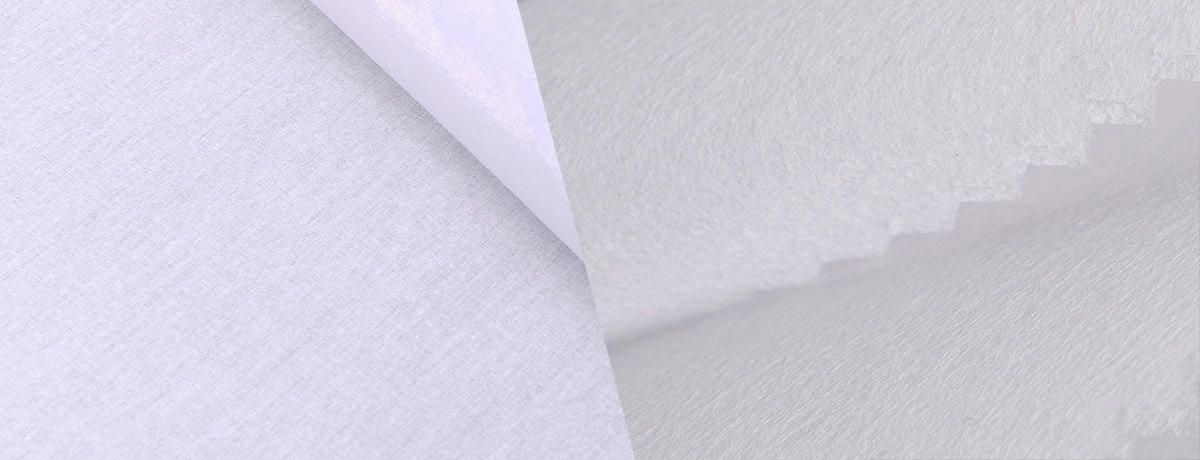
In the textile manufacturing sector, selecting the appropriate interfacing is a critical decision that impacts not only garment structure but also the quality and durability of clothing and apparel. For garment factories and large-scale wholesalers, understanding the technical differences between woven and non-woven interfacing is essential for optimizing production lines and ensuring the final product meets market standards.
This guide provides a comprehensive comparison of these two primary categories of interfacing. It is designed for B2B procurement professionals and production managers seeking to make informed sourcing decisions for large-scale manufacturing. As a leading B2B integrated manufacturing and trading company, MH specializes in supplying high-volume, Make-to-Order (MTO) solutions tailored to specific industrial requirements.
Quick Comparison: Woven Interfacing vs. Non-Woven Interfacing
Before examining technical specifications, it is helpful to understand the fundamental performance differences between woven and non-woven options.
-
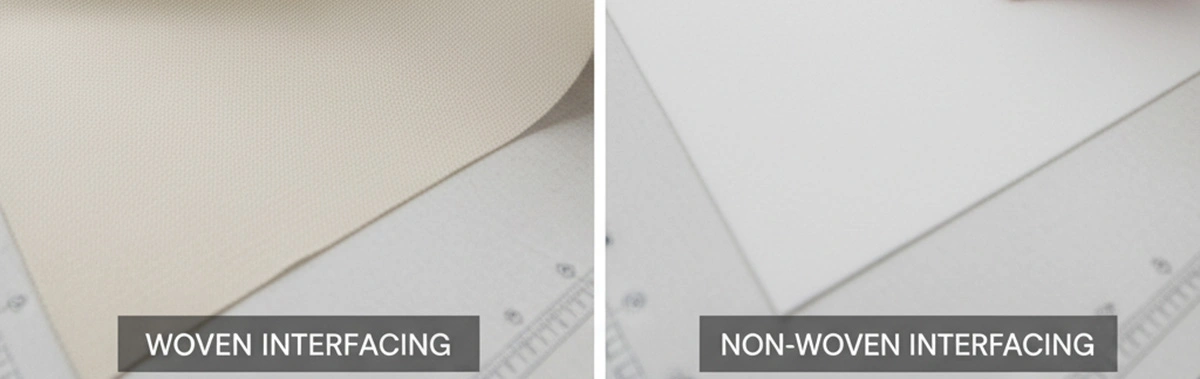
Woven Interfacing: Constructed by weaving warp and weft yarns, mimicking standard fabric structure. It looks and behaves like fabric, offering superior drape and flexibility, making it ideal for high-quality apparel.
-
Non-Woven Interfacing: Created by bonding fibers together through chemical, thermal, or mechanical means. Non-woven interfacing looks and behaves like a sheet of paper, making it visually and texturally distinct from woven options. It provides stability and stiffness, often at a more economical price point. Non-woven interfacing is generally cheaper than woven interfacing.
Both types are available in fusible (heat-activated adhesive) and sew-in varieties. While woven interfacing is generally used for stabilizing fabrics without compromising movement, non-woven options are frequently employed for structural reinforcement in collars, cuffs, and accessories.
What Is Woven Interfacing?
Woven interfacing is manufactured using the same weaving process as fashion fabrics, resulting in a stable material with a distinct grainline. It is constructed with threads woven together, similar to woven fabrics, which gives it strength and a smooth finish. The threads used in woven interfacing contribute to its stability and draping qualities, making it generally stronger, more tear-resistant, and providing a smoother finish than non-woven options. Woven interfacing is often preferred for delicate fabrics because it adds body without losing the natural drape, and it is especially effective when paired with woven fabrics to maintain fabric integrity and drape.
What Is Non-Woven Interfacing?
Non-woven interfacing is engineered by compressing fibers into sheets. It lacks a grainline, which offers distinct advantages in mass production contexts. Non-woven interfacing is commonly used for bags, crafts, and quilts due to its ease of use and versatility. Non-woven interfacing tends to be less stable after washing compared to woven interfacing.
Characteristics and Cutting Flexibility
Since there is no grainline, non-woven interfacing can be cut and applied in any direction, making it easier to work with. This flexibility allows you to efficiently use cut pieces and even cut smaller pieces to reduce waste or bulk in seams, especially when working with delicate or heavier fabrics. This feature allows for tighter nesting of pattern pieces during the cutting phase, significantly reducing material waste and maximizing yield—a crucial factor for cost-control in high-volume manufacturing.
Stiffness and Structural Behavior
Non-woven options generally provide more stiffness than their woven counterparts. Non-woven interfacing can also make fabric easier to handle and sew, especially in projects requiring added stiffness or structure. They are excellent for areas requiring firm support, such as plackets and trousers waistbands. However, lower-quality non-wovens may degrade or pill over time, so sourcing high-grade industrial non-wovens from reputable suppliers like MH is vital for product longevity.
Fusible Interfacing vs. Sew-In Interfacing
Both woven and non-woven interfacings are categorized by their application method: fusible or sew-in. The fusible version of interfacing features an adhesive backing that allows you to iron it directly onto the fabric for a permanent bond, making it a big time-saver for many sewers and super convenient to use. Fusible interfacing tends to have a slightly stiffer look and feel than non-fusible interfacing. Non fusible interfacing, also known as sew-in interfacing, has no adhesive and can be sewn in place like any fabric layer.
Fusible Interfacing
Fusible interfacing features a resin coating on one side that bonds to the fashion fabric when heat and pressure are applied.
-
Efficiency: It streamlines the production process, reducing assembly time compared to manual stitching.
-
Testing: Adhesion capability varies based on the base fabric. B2B buyers should request sample yardage to conduct fusing tests on their specific textiles before committing to a full production run.
Sew-In Interfacing
Sew-in interfacing is stitched directly into the seam allowance.
-
Application: It is used for fabrics that are sensitive to heat (such as velvet or sequins) or for open-weave fabrics where glue might bleed through.
-
Permanence: It remains independent of the outer fabric, allowing for natural movement without the risk of bubbling or delamination over time.
Woven Fusible and Non-Woven Fusible: Application Tips
For factories utilizing fusing press machines, correct application parameters are critical to quality control.
Interfacing is often used on the inside of shirt cuffs, collars, and hems to add structure and stability, and is also essential for projects like bags, quilts, and apparel. For some garments like jackets, you may be asked to interface large pattern pieces, or in the case of some handbags, all pattern pieces.
Fusing Woven Interfacing
Woven fusible requires attention to grain alignment before the fusing process. If the interfacing is fused off-grain, the final garment may twist. Standard industrial presses should be calibrated for the specific weight of the woven substrate to ensure resin penetration without striking back.
Fusing Non-Woven Interfacing
Non-woven fusible is more forgiving regarding alignment but requires careful temperature management. Therm-O-Web produces a non-woven fusible interfacing available in light, medium, and heavy weights, allowing you to select the appropriate thickness for your fabric and project needs. This ensures you can choose light or medium weights for delicate or standard fabrics, optimizing drape and stability. Palmer Pletsch also offers a variety of high-quality fusible interfacings. Excessive heat can cause synthetic non-wovens to shrink or melt. Using a Teflon protection sheet or a continuous belt fusing machine with precise temperature controls is recommended to maintain consistency across thousands of units.
Sew-In Interfacing Options
While fusible options dominate modern manufacturing due to speed, sew-in options remain relevant for specific high-end or difficult textiles. Non-fusible interfacing is mostly used in classic tailoring and couture applications these days, as it is ideal for delicate, textured, or specialty fabrics where ironing on is not suitable. Horsehair canvas, a type of non-fusible interfacing, is used to add structure to coats and jackets in key areas.
Common Materials
Sew-in materials range from lightweight organza and batiste to heavy hair canvas used in traditional tailoring. Silk organza, in particular, is a popular choice for sew-in interfacing in couture sewing because it is light, breathable, and provides stability without adding bulk.
When to Prefer Sew-In
Sew-in is the professional choice for bespoke-style tailoring or transparent fabrics where the adhesive of a fusible might be visible. It requires basting techniques—temporary stitches to hold layers in place—which adds a step to the assembly line but ensures a premium finish.
Interfacing is especially important when sewing loose weave fabrics and for tailoring woven fabrics like wool coating and suiting. Using the right interfacing helps maintain the integrity and drape of woven fabrics, which is crucial for high-quality sewing results.
Choosing the Right Interfacing for Sewing Projects
Selecting the correct interfacing involves matching the substrate to the end-use requirements.
-
Weight Matching: As a general rule, the interfacing should be slightly lighter in weight than the fashion fabric. Heavy interfacing on lightweight fabric will result in an unnatural silhouette. Most interfacings are available in a range of thicknesses (weights), so choosing the correct thickness is important to match the fabric and application.
-
Woven for Drape: Select woven interfacing for garments requiring fluid movement, such as wool coats or rayon blouses.
-
Non-Woven for Structure: Select non-woven for areas needing rigid definition or for budget-sensitive projects where drape is secondary to stability.
Knit and stretch interfacings are available for fabrics that require flexibility, such as jersey or other stretch materials. Using scraps of fabric to test different types of interfacing before applying them to your main project can help ensure you make the right choice. Interfacing is crucial to getting beautiful sewing results in many sewing projects, as it helps provide crisp edges and corners and prevents areas like necklines from sagging.
Interfacing for Bag Making and Accessories
The accessory market demands different performance metrics than apparel.
-
Firm Structure: Non-woven interfacing is often the standard for bag making, providing the rigid shape necessary for totes and luggage. Fusible interfacing can also be used to stiffen fabric in specific areas, such as shirt cuffs, or to improve the stability of projects like memory quilts.
-
Soft-Sided Bags: Woven interfacing may be used for linings or soft-sided pouches to add durability without stiffness.
-
Layering: High-quality accessory manufacturing often involves layering different types of interfacing to achieve the desired balance of flexibility and strength.
Final Recommendations
To summarize the selection process for industrial manufacturing:
-
Tailored Garments: Choose woven interfacing to maintain the natural hand of the fabric.
-
Craft and Structure: Choose non-woven interfacing for efficiency and firmness.
-
Partner with Experts: Work with a supplier that understands industrial requirements.
MH provides the expertise and production capacity necessary to support your supply chain. We invite professional buyers to contact our team to discuss specific production needs and request technical data sheets.