
What Material Is Dri-FIT and Why Is It Popular Among Global Sportswear Brands?
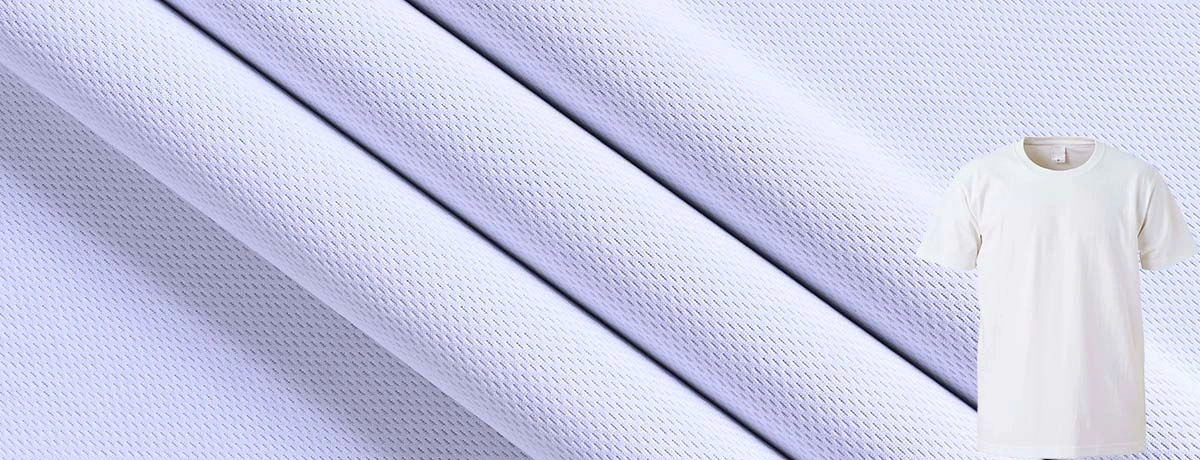
When sourcing moisture wicking fabrics for sportswear production, understanding what material is dri fit becomes crucial for making informed bulk purchasing decisions. While many buyers use “dri fit” as a generic term for any moisture-wicking polyester, the reality is more nuanced from a technical and trademark perspective.
Dri-FIT represents nike dri fit technology - a specific branded approach to moisture management textiles built primarily on microdenier polyester construction. For B2B textile buyers and manufacturers, this distinction matters significantly when specifying equivalent performance fabrics for athletic wear production. The material science behind these moisture wicking properties involves precise fiber engineering, specialized knit structures, and functional finishes that work together to wick moisture away from the skin.
This comprehensive guide examines the technical specifications, material composition, and sourcing considerations for moisture wicking fabrics that provide superior moisture management performance equivalent to branded solutions. We’ll explore everything from fiber content and fabric construction to testing standards and bulk sourcing parameters that matter for sportswear manufacturers and wholesalers.
Understanding Dri-FIT as a Brand Technology
nike dri fit represents a proprietary moisture-management fabric technology platform, not a generic fiber name or material category. This important distinction affects how textile manufacturers like MH position equivalent performance fabrics in the B2B marketplace.
Nike defines dri fit technology as “innovative fabric designed to help keep you dry so you can comfortably work harder.” Technically, this translates to high-performance microfiber polyester fabric, sometimes blended with spandex or elastane, engineered with specialized moisture wicking capabilities. The technology moves sweat from the skin to the outer surface of the fabric where it evaporates quickly, supporting body temperature regulation during physical activities.
In broader apparel markets, many decorators and non-Nike brands informally use “dri fit” as shorthand for any lightweight, moisture-wicking polyester sportswear fabric. However, from an intellectual property perspective, “Dri-FIT” remains Nike’s trademarked brand term. This creates both opportunities and requirements for B2B fabric suppliers.
For textile manufacturers like MH, the approach involves:
-
Using “Dri-FIT” only when referring specifically to Nike’s technology
-
Describing equivalent products as moisture wicking performance polyester, microfiber sportswear knits, or quick-dry athletic fabrics
-
Explaining how equivalent performance is achieved through similar fiber, yarn, knit structure, and finishing strategies
-
Positioning offerings as functionally equivalent or superior while respecting trademark boundaries
The central performance mechanism distinguishes moisture wicking from traditional moisture absorption. While natural fiber like cotton absorb moisture into their internal structure and can hold up to 7% of their weight in water, synthetic fibers in dri fit material use capillary action to transport sweat along hydrophobic microfiber surfaces. This fundamental difference enables the quick drying properties and enhanced comfort that define high performance athletic wear.
Fabric Structure and Construction Types
The fabric architecture significantly influences moisture management performance, breathability, and end-use suitability. Different knit and woven constructions optimize these characteristics for specific applications in athletic wear and casual wear.
Knit Fabric Variations
Eyelet Mesh Construction
-
Weight: 100-120 GSM for maximum breathability
-
Structure: Open knit with strategically placed holes for enhanced airflow
-
Applications: High-intensity team jerseys, running tops, training singlets
-
Performance: Maximum ventilation and evaporate quickly capabilities
Interlock Knit Systems
-
Weight: 140-170 GSM for balanced performance and durability
-
Structure: Double-knit construction with smooth face and back surfaces
-
Applications: Training shirts, fitness tops, corporate sportswear
-
Performance: Excellent printability while maintaining moisture wicking capabilities
Pique Knit Constructions
-
Weight: 180-220 GSM for structured appearance
-
Structure: Textured surface with geometric patterns
-
Applications: Golf polos, tennis shirts, business casual athletic wear
-
Performance: Professional appearance with integrated moisture management
Jersey Knit Options
-
Weight: 120-160 GSM for cost-effective performance
-
Structure: Single-knit construction with clear technical face and back
-
Applications: Basic training wear, promotional sportswear, everyday wear
-
Performance: Essential moisture wicking at accessible price points
Woven Fabric Options
While less common in dri fit apparel, woven constructions serve specific performance requirements:
Plain Weave Constructions
-
Weight: 80-120 GSM for lightweight applications
-
Applications: Windbreakers, lightweight shorts, liner systems
-
Performance: Wind resistance with maintained breathability
Dobby Weave Patterns
-
Enhanced texture and moisture channels through weave structure
-
Applications in technical outdoor activities and specialized athletic wear
-
Superior tear resistance for demanding use environments
Ripstop Variations
-
Applications: Outdoor gear, tactical wear, extreme sports apparel
-
Performance: Enhanced tear resistance while maintaining quick drying properties
|
Fabric Type |
GSM Range |
Primary Applications |
Key Performance Benefits |
|---|---|---|---|
|
Eyelet Mesh |
100-120 |
Team jerseys, running tops |
Maximum breathability, rapid moisture transport |
|
Interlock |
140-170 |
Training shirts, fitness wear |
Balanced durability and moisture management |
|
Pique |
180-220 |
Golf polos, business casual |
Professional appearance with performance |
|
Jersey |
120-160 |
Basic athletic wear |
Cost-effective moisture wicking |
Technical Finishes and Treatments
Advanced functional finishes transform base dri fit material into high-performance athletic wear that addresses multiple comfort and durability requirements beyond basic moisture management.
Moisture Management Finishes
Specialized chemical treatments enhance the natural wicking capabilities of microfiber polyester:
Hydrophobic Surface Treatments: Applied to fiber surfaces to optimize water contact angles and encourage directional moisture transport. These finishes create slight hydrophobic gradients between fabric faces, promoting one-way moisture movement away from the skin.
Wicking Gradient Treatments: Differential hydrophobic and hydrophilic zones across fabric thickness ensure moisture moves from the skin-contact surface to the outer evaporation zone. This bi-component approach maximizes the wearer dry experience during intense physical activities.
Capillary Enhancement: Specialized polymer treatments that modify fiber surface topography to increase micro-capillary networks without compromising fabric’s surface quality or printability.
Antimicrobial Treatments
controlling odor-causing bacteria becomes essential for athletic wear, especially in hot weather conditions and longer periods of wear:
Silver Ion Technology: Provides durable antimicrobial protection with minimal impact on fabric handfeel or breathable characteristics. Effective against gram-positive and gram-negative bacteria commonly associated with perspiration odor.
Zinc Pyrithione Systems: Cost-effective antimicrobial treatment with proven efficacy across multiple wash cycles. Particularly effective for high-volume production where sensitive skin compatibility is essential.
Copper-Based Solutions: Natural antimicrobial properties with additional anti-viral benefits. Growing adoption in post-pandemic athletic wear markets where enhanced hygiene represents an essential feature.
UV Protection Finishes
Outdoor enthusiasts require integrated sun protection in their moisture-wicking apparel:
UPF 15-30 Ratings: Achieved through increased fabric density and specialized dye selection. Suitable for moderate sun exposure during outdoor activities.
UPF 50+ High Protection: Advanced treatments incorporating titanium dioxide or zinc oxide micro-particles. Essential for extended exposure in hot climates and high-altitude activities.
Quick-Dry Enhancement Systems
Evaporation Accelerators: Specialized polymer treatments that increase surface area and reduce water retention time. Particularly valuable for travelers and active lifestyles requiring rapid garment turnover.
Phase-Change Material Integration: Advanced cooling technologies that actively regulate body temperature through embedded micro-capsules. Premium positioning for high-performance athletic wear.
Bulk Sourcing Considerations for Manufacturers
Understanding commercial parameters enables effective procurement planning for moisture-wicking fabric requirements across different production scales and market segments.
Order Quantity Requirements
Minimum Order Quantities (MOQs):
-
Standard constructions: 1000-1500 kg per color/specification
-
Custom developments: 3000-5000 kg per specification
-
Recycled polyester options: 2000-3000 kg due to supply chain complexity
-
Specialty finishes: 1500-2500 kg depending on treatment requirements
Optimal Order Sizes: 5000-10000 kg quantities typically achieve best pricing while maintaining reasonable inventory turnover for most sportswear manufacturers.
OEKO-TEX Standard 100: Essential for skin-contact applications and European market access. Covers harmful substance testing for fabric and finish chemistry.
BLUESIGN Approved: Premium sustainability certification covering entire production chain environmental impact. Increasingly required by major sportswear brands.
Global Recycled Standard (GRS): Mandatory for recycled polyester content claims. Requires chain-of-custody documentation and social criteria compliance.
REACH Compliance: European chemical regulation compliance for finish treatments and dye chemistry. Required for EU market access.
Customization and OEM Development Options
Advanced textile manufacturers like MH provide comprehensive customization capabilities that enable brands to develop proprietary moisture-wicking platforms equivalent to established dri fit technology.
Custom Fiber Blend Development
Polyester/Elastane Optimization: Precise blend ratio development for specific stretch and recovery characteristics:
-
High-performance compression wear: 85-90% polyester/10-15% elastane
-
Moderate stretch training wear: 92-95% polyester/5-8% elastane
-
Enhanced recovery yoga apparel: 88-92% polyester/8-12% elastane
Multi-Fiber Systems: Integration of specialized performance fibers for enhanced functionality:
-
Polyester/nylon blends for superior abrasion resistance in team sports
-
Polyester/modal combinations for improved next-to-skin comfort in sensitive skin applications
-
Tri-blend systems incorporating natural fiber elements for specific handfeel requirements
Specialized Treatment Integration
Flame Retardant Systems: Integration of FR treatments with moisture management for protective athletic wear and occupational applications. Compliance with relevant safety standards while maintaining breathable comfort.
Water Repellent Enhancement: DWR (Durable Water Repellent) treatments for weather-resistant athletic wear. Particularly relevant for outdoor activities where stay cool requirements combine with weather protection.
Enhanced Durability Finishes: Anti-snag and abrasion-resistant treatments for high-wear applications such as team jerseys and training gear subjected to repeated friction and stress.
Weight and Width Customization
GSM Optimization: Custom weight development from 80-250 GSM to meet specific end-use requirements:
-
Ultra-light racing apparel: 80-100 GSM
-
Standard training wear: 120-160 GSM
-
Heavy-duty team uniforms: 180-220 GSM
-
Winter base layers: 200-250 GSM
Width Variations: Standard options include 150cm, 160cm, and 180cm widths to optimize cutting efficiency for different garment patterns and manufacturing processes.
Custom Width Development: Specialized widths up to 220cm for specific industrial applications or cutting optimization requirements.
Private Label Development
Brand-Specific Platforms: Development of proprietary moisture management solutions under buyer specifications, enabling brands to establish their own performance technology platforms equivalent to nike dri fit technology.
Performance Targeting: Custom development to achieve specific moisture management index scores, drying time benchmarks, or other performance criteria defined by brand requirements.
Intellectual Property Protection: Confidential development processes protecting buyer innovations and maintaining competitive advantages in their target markets.
|
Customization Type |
Development Timeline |
MOQ Requirements |
Typical Applications |
|---|---|---|---|
|
Blend Ratio Modification |
21-30 days |
2000-3000 kg |
Compression wear, yoga apparel |
|
Custom Finish Integration |
30-40 days |
3000-5000 kg |
Outdoor gear, protective wear |
|
Weight Optimization |
15-25 days |
1500-2500 kg |
Racing apparel, team uniforms |
|
Private Label Platform |
45-60 days |
5000+ kg |
Brand-specific technology |
Contact MH for Your Moisture-Wicking Fabric Requirements
Understanding what material is dri fit represents just the beginning of successful moisture-wicking fabric sourcing. MH’s comprehensive capabilities in performance textile manufacturing enable sportswear manufacturers, brands, and wholesalers to access equivalent or superior moisture management solutions tailored to specific market requirements.
Our technical expertise spans the complete spectrum of moisture-wicking fabric development, from microdenier polyester specification through advanced finish integration and quality validation. Whether you require standard moisture wicking fabrics for basic athletic wear or custom-engineered platforms for premium sportswear lines, MH’s OEM and ODM capabilities deliver the technical precision and commercial flexibility essential for competitive market positioning.


Comprehensive Service Portfolio:
-
Technical specification consultation and performance benchmarking
-
Custom fabric development for proprietary moisture management platforms
-
Bulk production with consistent quality across multi-thousand kilogram orders
-
Sustainability solutions including recycled polyester and certified processes
-
Global compliance support for international market access requirements
Quality Assurance and Testing Support:
-
Complete moisture management testing using AATCC 195 and industry-standard protocols
-
Durability validation through accelerated wash testing and performance retention measurement
-
Certification assistance for OEKO-TEX, BLUESIGN, and other required standards
-
Technical data documentation supporting marketing claims and product positioning
Commercial Advantages:
-
Competitive pricing through efficient manufacturing processes and strategic sourcing
-
Flexible minimum order quantities accommodating both established brands and emerging companies
-
Reliable lead times with capacity for rush orders and seasonal production peaks
-
Comprehensive sampling programs enabling informed purchasing decisions
To explore how MH’s moisture-wicking fabric solutions can enhance your athletic wear collections while respecting trademark considerations around branded technologies like dri fit clothing, contact our technical sales team. Our fabric specialists provide detailed consultations covering material specifications, performance requirements, and customization options tailored to your specific market positioning and production requirements.
Request comprehensive technical data sheets, arrange sampling of our moisture wicking capabilities, and discover how MH’s expertise in performance textile manufacturing can support your next generation of athletic wear that keeps wearers comfortable during the most demanding physical activities.
