
How to Choose the Right Machine Embroidery Thread for Applications?
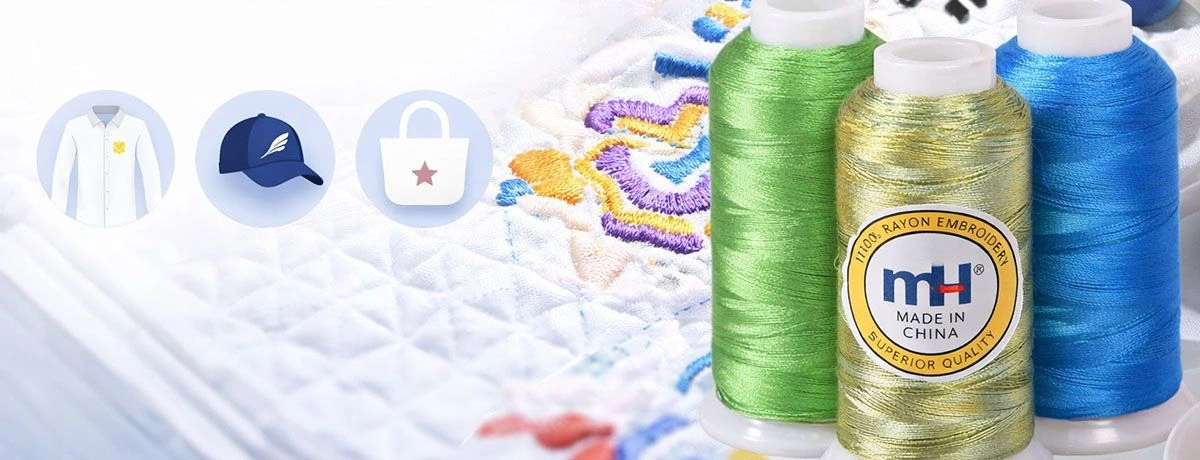
Introduction: Why Machine Embroidery Thread Matters
In modern textile production, machine embroidery thread application is essential for achieving high-quality, durable, and visually appealing products. Whether you are working on garment embroidery, caps, uniforms, or promotional items, choosing the right embroidery thread directly impacts your final results. However, not all threads are created equal—choosing the right thread is crucial for ensuring quality, durability, and a professional finish in your embroidery projects.
For B2B buyers, the focus is not only on appearance but also on:
-
Production efficiency
-
Reduced thread breaks and thread breakage
-
Consistent stitching quality
-
Long-term supply stability
Selecting high quality threads and reputable thread brand options is essential for achieving professional, vibrant, and long-lasting embroidery results.
Understanding different thread types, materials, and performance factors helps you select the best machine embroidery thread for your business. Using high-quality threads is also essential to minimize tension headaches and breakage.
What Is Machine Embroidery Thread?
Machine embroidery threads are specially engineered for high-speed embroidery machines. Compared to regular sewing thread, they are optimized for:
-
Smooth thread path
-
Stable thread tension
-
Reduced friction through proper lubrication (often supported by a thread lubrication unit)
Common types include:
-
Polyester embroidery threads – durable, colorfast, widely used
-
Rayon thread for embroidery – soft and glossy finish
-
Cotton threads – natural look for specialty embroidery
-
Metallic threads – decorative stitching for premium designs
-
Silk thread – high-end luxury embroidery
-
Wool threads – textured embroidery effects
In the embroidery world, thread weight is numerically measured; a higher number indicates a thinner thread. Selecting a reputable thread brand is important for consistent quality and compatibility with embroidery machines.
Main Applications of Machine Embroidery Thread
1. Garment Embroidery (Core Application)
The most important machine embroidery thread application is in garments:
-
T-shirts, hoodies, jackets
-
Sportswear and fashion apparel
Used for:
-
Brand logos (thread for logos)
-
Decorative stitching
-
Custom embroidery designs
For manufacturers, using high quality embroidery thread and industrial sewing thread ensures precise stitching and durable stitches, even after frequent washing.
2. Caps and Hats
Embroidery on caps requires:
-
Strong polyester thread
-
Proper thread thickness and thread weight
Applications include:
-
Sports caps
-
Promotional hats
-
Corporate branding
3. Uniforms and Workwear
Uniform embroidery demands durability:
-
Industrial uniforms
-
Hospitality and corporate wear
Key requirements:
-
Resistance to washing
-
Stable upper thread performance
-
Balanced top and bobbin thread tension
4. Home Textile Decoration
Used in:
-
Bedding
-
Curtains
-
Cushions
Embroidery adds value through:
-
Decorative stitching
-
Premium visual appeal
5. Promotional Products and Accessories
Widely used in:
-
Bags and backpacks
-
Towels and gift items
Ideal for branding and marketing campaigns.
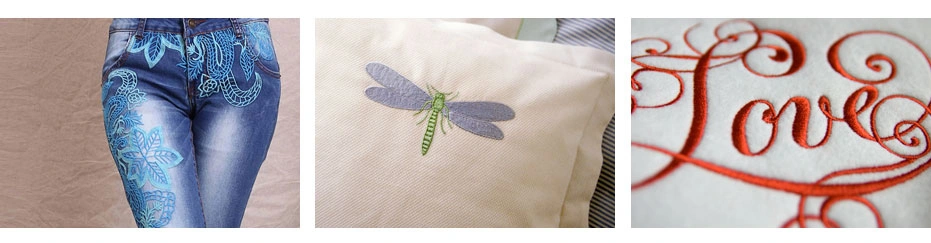
How to Choose the Right Embroidery Thread (B2B Guide)
1. Material Selection
Not all threads are suitable for every application, so choosing the right thread material is crucial for achieving the best results in machine embroidery. Different materials suit different applications:
-
Polyester embroidery → durability and cost efficiency
-
Rayon thread → softer, shinier finish
-
Metallic threads → decorative use
-
Cotton threads → natural style
2. Thread Weight and Thickness
-
The finer the thread, the more suitable it is for delicate fabrics and detailed designs, but it may be more prone to breakage. For example, a 60 wt thread is finer and ideal for intricate embroidery work.
-
The thicker the thread, the more visible and bold the embroidery will be. Lower thread weight numbers indicate thicker threads, making them suitable for applications where strong, prominent stitching is desired.
Thread weight measures the thickness of the thread; a lower number signifies a thicker thread. A 40 wt thread is commonly used for general embroidery purposes, while a 60 wt thread is finer and used for detailed work.
Always match thread weight with fabric type and design.
3. Machine Compatibility
Ensure smooth performance with compatible polyester sewing threads by:
-
Adjusting thread tension using tension discs
-
Selecting correct needle size
-
Maintaining proper machine speed
4. Reducing Thread Issues
Common problems include:
-
Thread breaks
-
Thread tails
-
Uneven stitches
Solutions:
-
Proper thread preparation
-
Check thread path
-
Use high-quality thread spools and secure spool cap
-
Maintain correct fabric tension and avoid fabric puckering
5. Storage and Handling
To maintain quality and ensure optimal machine embroidery thread application, proper thread storage is essential:
-
Store embroidery threads in moisture-controlled containers to preserve their quality.
-
Organize embroidery threads by brand and color number for easy access.
-
Use bobbins or floss drops to keep threads tidy and tangle-free.
-
Cut thread lengths between 18 and 24 inches for optimal handling to prevent tangling.
-
To keep your embroidery floss organized, wrap it around paper or plastic bobbins and store them in a box.
-
Regularly clean your storage area to maintain thread quality and prevent dust accumulation.
-
Store threads away from direct sunlight.
-
Avoid using older threads.
-
Keep threads clean and dry.
Best Practices for Smooth Machine Embroidery
To achieve smooth stitching and even stitches with reliable wholesale sewing threads:
-
Balance top thread and spun polyester bobbin thread
-
Use proper thread tension
-
Select the right embroidery machine settings
-
Ensure even fabric tension with embroidery hoops (e.g., magnetic embroidery hoops) and suitable spun polyester sewing thread
For complex embroidery projects, always test before full production.
Why Polyester Embroidery Thread Is the Best Choice
Among all thread types, polyester embroidery threads are the most widely used because they offer:
-
High strength and durability
-
Resistance to UV, chemicals, and washing
-
Stable performance at high machine speed
-
Consistent color and matte or glossy finish
This makes polyester ideal for large-scale garment embroidery and industrial use.
MH: Your Reliable Garment Accessories and Tailoring Materials Supplier
About MH
Ningbo MH is a leading global supplier of garment accessories, serving customers in over 150 countries. With strong production capacity and a complete supply chain, MH supports B2B buyers with stable and scalable solutions.
MH Embroidery Thread Advantages
MH provides high quality embroidery thread designed for industrial applications:
-
High-tenacity polyester embroidery filament for smooth thread path
-
Excellent color fastness for long-term use
-
Wide color range for branding needs
-
Reduced thread breakage during high-speed production
-
Consistent quality across bulk orders
Applications of MH Embroidery Thread
MH products are widely used in:
-
Garment logos and decorative stitching
-
Caps and promotional products
-
Workwear and uniforms
-
Home textile embroidery
Why B2B Buyers Choose MH
-
Competitive wholesale pricing
-
Stable supply for large orders
-
Professional export experience
-
One-stop sourcing for garment accessories
MH helps buyers optimize production efficiency while reducing thread issues and downtime.


Conclusion: Optimize Your Embroidery Projects with the Right Thread
Choosing the right embroidery thread is critical for achieving:
-
High-quality results
-
Efficient production
-
Strong brand presentation
For B2B buyers, working with a reliable supplier like MH ensures consistent quality and long-term success.
If you are planning your next embroidery project, investing in the best machine embroidery thread will significantly improve your output and reduce production problems.
