
How to Choose High Quality Embroidery Thread for Machine Embroidery?
Introduction: Why Embroidery Thread Quality Matters
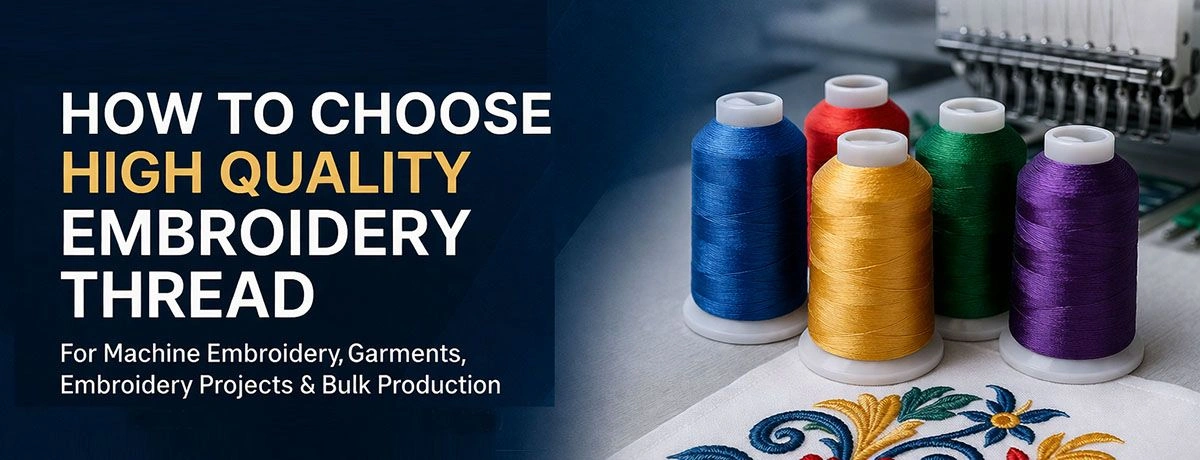
When it comes to machine embroidery, the quality of your thread directly affects stitching performance, product durability, and overall appearance. Whether you are producing garments, working on embroidery projects, or supplying delicate fabrics, choosing the right embroidery thread is essential. High-quality embroidery thread is characterized by its tensile strength, colorfastness, and structural consistency.
Many buyers focus only on price, but poor-quality threads can cause breakage, fraying, fuzzy texture, color fade, and machine downtime—leading to higher long-term costs. High-quality threads are more durable, which is essential for embroidery projects, garments, or crafts that will see frequent use or washing.
For B2B buyers, selecting high quality embroidery thread ensures consistent production, better fabric compatibility, and improved customer satisfaction. The right thread can enhance the look, feel, and longevity of any embroidery craft.
High-quality embroidery thread typically has a high-lustre, satin-like, or shiny finish, which contributes to the professional appearance of finished projects.
What Defines High Quality Embroidery Thread?
1. Strength & Durability for Industrial Use
High-quality threads must be strong enough to withstand high-speed embroidery machines like Brother embroidery machines and multi-head systems, similar to the demands placed on industrial sewing thread used in manufacturing.
Key benefits:
-
Less thread break and fraying
-
Smooth stitching without interruptions
-
Longer machine life
Durability is especially important for garments, workwear, and frequently washed products.
2. Color Fastness: Prevent Fade and Bleed
Note: Colorfastness is a crucial quality to consider when choosing high quality embroidery thread, as it determines how well the thread retains its colour after washing or exposure to light.
Color is a key factor in embroidery appearance.
Premium embroidery thread should:
-
Maintain vibrant colours after washing
-
Resist bleed, fade, and washing damage
-
Match consistently across batches
High-quality embroidery thread has excellent colorfastness to withstand washing and UV light. Choosing a colourfast thread ensures that your embroidery won't fade over time.
This is critical for export markets and brands that require strict quality control.
3. Smoothness: Clean Stitching & Better Performance
A smooth thread ensures:
-
Reduced friction and heat during stitching
-
Less lint and fuzzy texture
-
Cleaner and sharper designs, including small lettering and textured designs
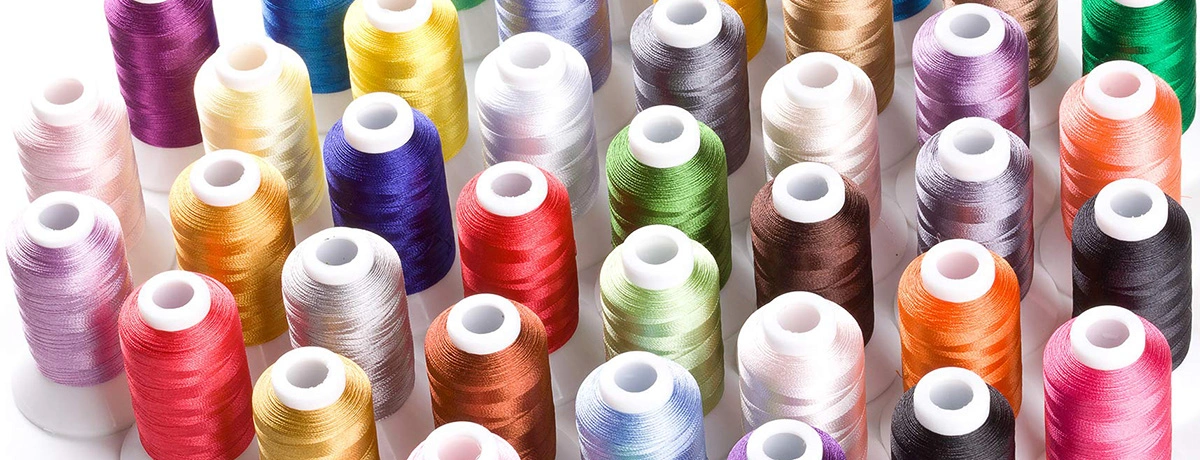
High quality embroidery thread feels smooth and delicate to the touch, often due to the use of long-staple or extra-long-staple cotton fibers that result in a smoother finish. High-quality thread will not have a 'hairy' appearance or halo of lint, which helps maintain clean stitching results.
Smooth threads are especially important when working with delicate fabrics or detailed embroidery projects.
4. Stability & Consistency in Bulk Production
For B2B buyers, consistency is everything, especially when working with a large-scale global garment accessories supplier like Ningbo MH.
High-quality embroidery threads provide:
-
Uniform thickness and weight
-
Consistent performance across stock and batches
-
Reliable results for large-scale production
This ensures every piece matches in quality, style, and finish.
Types of Embroidery Threads: Polyester vs Rayon vs Specialty
Polyester Thread (Most Widely Used)
-
High durability and color fastness
-
Ideal for garments and industrial use
-
Resistant to washing and fading
Rayon Thread
-
Softer with a beautiful shine
-
Popular for decorative embroidery projects, especially when using 150D/2 rayon thread for embroidery
Metallic Threads
-
Provide sparkle and premium finishes
-
Suitable for luxury designs but require careful handling
Among all options, polyester embroidery thread such as MH’s 120D/2 is the most common choice due to its balance of durability, performance, and cost.
How to Choose the Right Embroidery Thread
When choosing threads, buyers should consider overall sewing needs as well, including the quality of wholesale sewing threads for large-scale production:
-
Fabric type (light, heavy, delicate fabrics)
-
Application (garments, logos, decorative projects that may also require 40/2 spun polyester sewing threads)
-
Machine compatibility (Brother, Tajima, etc.)
-
Required durability and washing resistance
Embroidery threads come in different weights, with 40wt being the most common for machine embroidery. Thicker threads create bolder, more textured designs, while finer threads are better for detailed, delicate work.
Before making a bulk purchase, it's recommended to test different thread weights and types—such as by performing a simple wash or wet test to check for colourfastness and durability—to ensure the best fit for your specific embroidery projects.
Testing is Key
Before bulk buying:
-
Run stitching tests and experiment with different threads and techniques to discover what works best for your embroidery projects.
-
Check for thread break or fraying
-
Evaluate smoothness and finish
-
Compare colours across cones and test for colorfastness to ensure colors do not run or fade after washing
Common Problems with Low-Quality Threads
Low-quality threads often lead to:
-
Frequent thread break during stitching
-
Fuzzy texture and lint buildup
-
Uneven colours and dye inconsistency
-
Poor durability and short product life
These issues not only affect embroidery quality but also increase production costs.
Why Thread Brands Matter in B2B Buying
Choosing reliable thread brands ensures:
-
Stable quality across orders
-
Better technical support
-
Consistent stock availability
-
Reduced production risks
It is important to mention reputable brands like DMC when discussing high quality embroidery thread, as this helps boost credibility while maintaining transparency. DMC is widely recognized as the 'gold standard' for hand embroidery, particularly for its double-mercerized, six-stranded cotton floss. DMC is a widely recognized brand known for its high-quality embroidery threads available in many colors and is one of the most popular brands for embroidery threads, known for its wide range of colors and consistent quality.
Well-known brands like DMC threads are widely recognized, but for industrial buyers, scalability and supply capacity are equally important.
MH: A Reliable Embroidery Thread Supplier for Global Buyers
As a professional supplier, MH provides high quality embroidery thread designed for industrial and commercial use, supporting a wide range of embroidery projects. For buyers seeking complete collections, MH also offers embroidery thread sets, providing value and convenience for large-scale or varied stitching needs. Some popular items may be sold out due to high demand, so we recommend checking stock availability before placing your order. Whether you are an experienced manufacturer or just getting started with embroidery, MH threads ensure your finished embroidered items are strong, durable, and suitable for frequent washing and wear.


High Strength for Continuous Production
MH threads are engineered for high tensile strength, reducing breakage and ensuring smooth stitching in high-speed machines.
Excellent Color Performance
With advanced dyeing technology, MH threads offer:
-
Vibrant and consistent colours
-
Strong resistance to washing, fade, and bleed
Smooth & Clean Stitching
MH embroidery thread delivers:
-
Smooth surface for reduced friction
-
Minimal lint and fuzzy texture
-
Clean and precise stitching results
Stable Quality Across Batches
Strict quality control guarantees:
-
Consistent weight and thickness
-
Reliable performance for bulk production
-
Uniform appearance in every order
Strong Supply Capacity for B2B Buyers
MH supports global buyers with:
-
Large stock availability
-
Fast delivery
-
Wide product range including polyester, rayon, and specialty threads, as well as a couple of popular thread options and sets designed for bulk buyers, along with customized zippers for diverse clothing and gear applications, often paired with wholesale chiffon fabric for fashion and event use
Conclusion: Invest in the Right Thread for Better Results
Choosing the right embroidery thread is not just about cost—it’s about performance, durability, and long-term value. Personally, I recommend trying a few different brands, as it can sometimes be tricky to match certain thread brands or colors, and experimentation helps find the best fit for your needs. For example, Simthread and New Brothread are popular among hobbyists for being cost-effective with vivid colors and high strength, while Sulky provides a wide range of high-quality rayon threads that create a bright, luxurious sheen for decorative work. Floriani offers high-sheen, high-quality rayon and polyester ideal for detailed embroidery, and Madeira is a top choice for professional and high-volume machine work, known for its durable Polyneon line and lustrous rayon threads.
Remember, embroidery threads can be separated into individual strands, which is useful for delicate or bulky stitches. Cotton is best for traditional hand embroidery projects needing a matte or soft texture. Choose rayon for projects that prioritize appearance, like dress embroidery, and polyester for items that need durability and frequent washing, such as towels, bags, and children's clothing. Threads can have a matte, satin, or glossy finish, affecting the appearance of your embroidery. For finer details, a 60wt thread is ideal, while a 30wt thread or lower will create bolder, more pronounced stitches.
For B2B buyers, high-quality thread means:
-
Fewer production issues
-
Better embroidery appearance
-
Higher customer satisfaction
If you are looking for a dependable partner, MH offers a complete solution combining quality, consistency, and global supply capability.
